
A few months ago, I found myself staring at a blank document for nearly an hour. The cursor kept blinking, and I kept telling myself that I would start writing in “just another minute.”
The strange thing was that I wasn’t out of ideas. I already knew what I wanted to write about, and I even had a rough outline in my head. Yet somehow, I couldn’t get started.
Then it hit me.
The problem wasn’t writer’s block.
The problem wasn’t creativity.
The problem was everything that happened before the writing process even began.
I was spending too much time researching, organizing notes, verifying information, and searching for unique angles. By the time I was finally ready to write, half of my energy had already disappeared.
That’s when I started experimenting with AI tools more seriously.
But here’s what surprised me the most.
The tools that transformed my workflow weren’t the ones everyone talks about on LinkedIn, YouTube, or X. Most writers already know ChatGPT, Claude, and Gemini. Those tools are useful, but they aren’t necessarily the biggest productivity multipliers.
Instead, I found a handful of underrated AI tools that quietly solved specific problems in my workflow.
And every time I show one of these tools to another writer, I usually hear the same response:
“Wait… how have I never heard of this before?”
If you’re a blogger, freelance writer, content marketer, Medium writer, SaaS founder, or someone creating content regularly, these tools deserve your attention.
1. NotebookLM: The Research Assistant Every Writer Wishes They Had

image screenshot by Author
Most writers don’t actually spend the majority of their time writing. They spend it researching. A single article can require dozens of browser tabs, multiple PDFs, YouTube videos, reports, screenshots, and random notes collected over several days.
The challenge isn’t finding information anymore. The challenge is managing all of it without losing your mind.
NotebookLM solves this problem surprisingly well. You can upload your sources, documents, notes, and research materials into one place and interact with them using AI. Instead of manually searching through files, you simply ask questions and get answers based on your own content.
What impressed me wasn’t the technology itself. It was how accurately the product understands the workflow of modern content creators.
“Writers don’t have an information problem anymore. They have an organization problem.”
That single realization explains why NotebookLM has become one of my favorite AI tools for research-heavy content.
If you publish long-form articles, case studies, tutorials, or industry analysis, this tool can easily save hours every week.
2. Lex: The AI Writing Tool That Doesn’t Sound Like AI
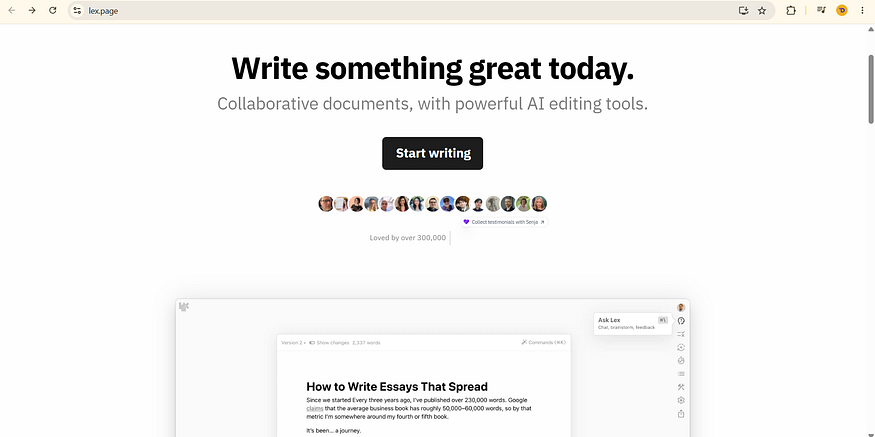
image screenshot by Author
Most AI writing tools make the same mistake. They focus so much on generating text that they forget what writers actually want.
Writers don’t want a machine to replace them.
They want a tool that helps them think better.
That’s why Lex feels different. Instead of taking over the writing process, it behaves more like an intelligent editor sitting beside you. The suggestions are subtle, the interface is clean, and the final result still sounds like your own work.
As more AI-generated content floods the internet, maintaining a human voice is becoming increasingly important. Readers can usually tell when an article was generated without much thought or personal input.
“The internet doesn’t need more AI-written content. It needs better human-written content.”
Lex helps writers strike that balance between speed and authenticity, which is becoming one of the most valuable skills in content creation.
3. Perplexity: The Research Shortcut Every Serious Writer Should Know
image screenshot by Author
A few years ago, researching an article meant opening Google, clicking through dozens of search results, comparing sources, and hoping the information was accurate.
Today, that process feels unnecessarily slow.
Perplexity has become one of the most useful AI research tools because it combines answers with sources. Instead of forcing you to search through endless links, it gives direct responses while showing where the information came from.
That might sound like a small improvement.
It isn’t.
When you’re writing multiple articles every week, saving even twenty minutes on research adds up quickly. More importantly, it helps reduce the risk of publishing inaccurate information.
“Good writing starts with good information. Everything else comes later.”
If you’re writing about AI, SaaS, technology, business, finance, or productivity, Perplexity deserves a place in your workflow.
And if you’ve discovered another underrated research tool that deserves attention, drop it in the comments. Some of the best tools I’ve found came from conversations with other writers rather than recommendation lists.
4. Wordware: Where AI Workflows Become a Competitive Advantage
image screenshot by Author
Most creators focus on outputs.
Smart creators focus on systems.
That’s the biggest lesson I learned after experimenting with dozens of AI tools.
Wordware isn’t just another writing assistant. It’s a platform that allows you to build repeatable workflows around your content process. Research summaries, article outlines, content briefs, idea generation, and content repurposing can all become part of a structured system.
The interesting thing is that this tool feels particularly appealing to SaaS founders and technical creators.
You start thinking less about individual articles and more about content operations.
“The best creators aren’t building content anymore. They’re building systems.”
That shift in mindset can dramatically change how much content you’re able to produce over time.
5. Jenni AI: The Tool That Helps Writers Finish What They Start
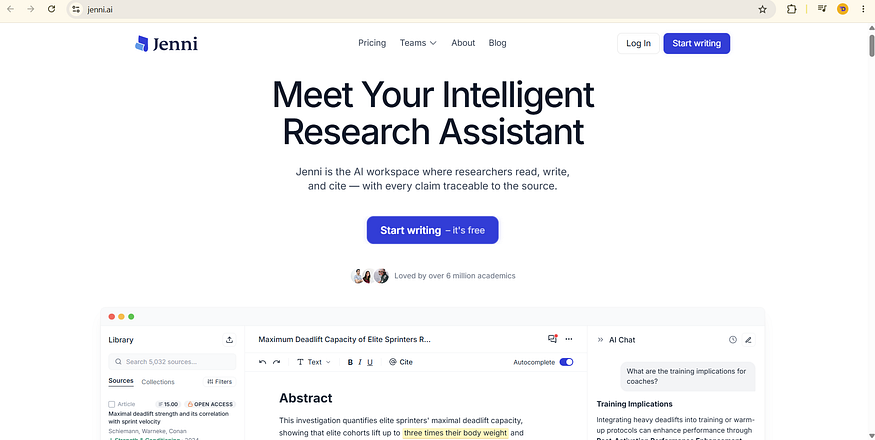
image screenshot by Author
Most writers don’t struggle with starting.
They struggle with finishing.
Ideas are exciting.
Publishing is difficult.
Jenni AI understands this problem surprisingly well. Instead of trying to completely replace the writer, it helps maintain momentum throughout the writing process.
That’s especially valuable for long-form content.
When you’re working on a 2,000-word article, consistency matters more than inspiration. Some days, you simply need a workflow that keeps you moving forward.
“Starting is easy. Finishing is where professionals separate themselves from everyone else.”
If you regularly publish detailed guides, educational content, or in-depth articles, Jenni AI can become a useful companion.
By the way, if this article has already introduced you to at least one tool you’ve never heard of before, consider giving it a few claps. It helps me know which types of deep-dive tool breakdowns are actually useful to readers.
6. Tana: The Knowledge Management Tool That Thinks Differently

image screenshot by Author
Every content creator eventually runs into the same problem.
Ideas everywhere.
Notes everywhere.
No clear system connecting them.
Most note-taking apps focus on storing information. Tana focuses on connecting information.
That sounds simple, but it changes everything.
The best article ideas often come from linking different thoughts, experiences, observations, and research findings together. Tana makes those connections easier to discover.
Over time, your notes stop feeling like a storage system and start feeling like an idea generation engine.
“Most article ideas already exist in your notes. You just haven’t connected them yet.”
For writers publishing consistently, that’s a surprisingly powerful advantage.
7. Gamma: The Fastest Way to Multiply Your Content
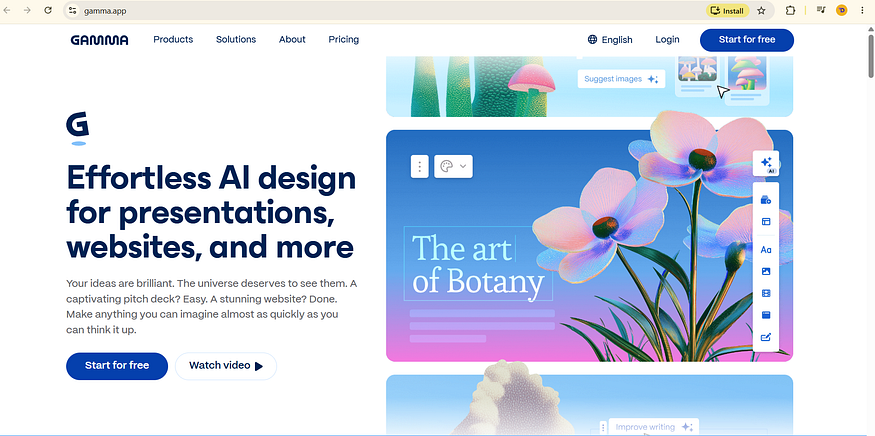
image screenshot by Author
Publishing an article is no longer the finish line.
It’s the starting point.
One article can become a presentation.
That presentation can become social media content.
Those social media posts can become email content.
The creators growing the fastest understand how to repurpose content effectively.
Gamma makes that process incredibly simple. Instead of rebuilding everything from scratch, you can transform existing content into different formats within minutes.
“One piece of content. Five different platforms. That’s how modern creators grow.”
For freelancers, agencies, consultants, and SaaS founders, this can significantly increase reach without increasing workload.
8. Genspark: The AI Research Agent More People Will Be Talking About Soon
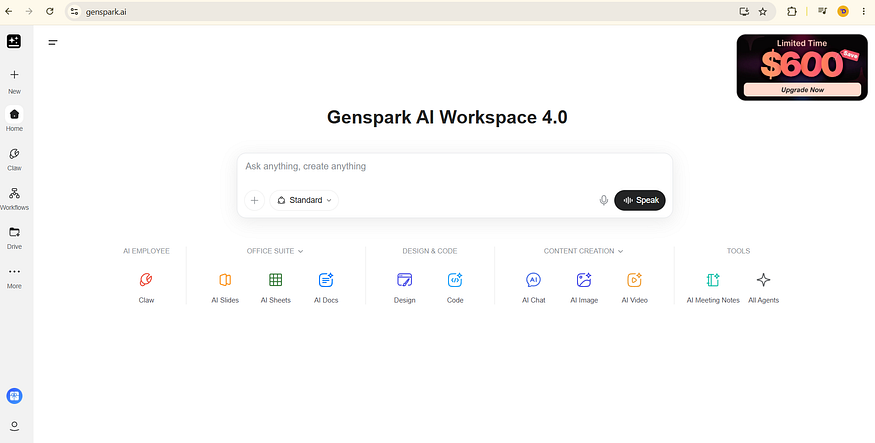
image screenshot by Author
Most AI tools answer questions.
Genspark feels more like a digital research assistant.
Instead of simply responding to prompts, it actively gathers information, organizes findings, and presents structured outputs. For content creators who spend a lot of time researching unfamiliar topics, that’s incredibly useful.
The first time I used it, my reaction was simple:
“This feels less like a chatbot and more like a researcher.”
As AI agents continue evolving, tools like Genspark are likely to become increasingly important for writers who value speed and accuracy.
9. Grok: The Trend Spotter Most Writers Are Underestimating
image screenshot by Author
One of the hardest parts of content creation isn’t writing.
It’s knowing what to write about.
Grok has become surprisingly useful for spotting conversations, trends, and emerging topics before they become mainstream. While it isn’t perfect, it offers a unique perspective on what’s currently capturing attention online.
For writers, timing matters.
Publishing the right article at the right moment can generate more traffic than months of effort spent on the wrong topic.
“The best content isn’t always the best-written content. Sometimes it’s simply the most timely.”
That’s why trend discovery deserves a place in every creator’s workflow.
10. Manus: A Glimpse Into the Future of Content Workflows
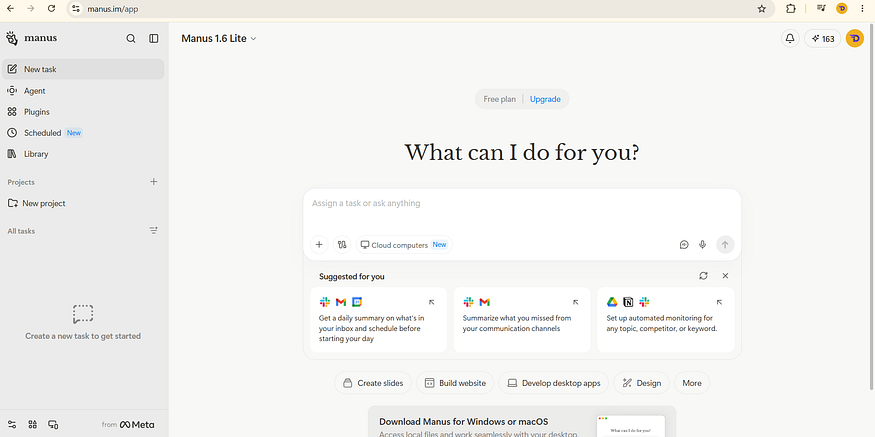
image screenshot by Author
Most AI tools assist you.
Manus attempts to execute tasks for you.
That’s a very different approach.
The platform focuses on handling complex workflows rather than simply generating text. While the technology is still evolving, it offers a glimpse into where AI-powered productivity is heading.
For writers and SaaS founders, the implications are fascinating.
Imagine delegating parts of your research process, content planning, competitor analysis, or workflow management to intelligent agents.
We’re not fully there yet.
But tools like Manus suggest we’re getting closer.
“The future isn’t AI that writes better. It’s AI that helps you work smarter.”
The Biggest Mistake Writers Make With AI
I’ve seen this happen repeatedly.
A writer opens ChatGPT.
They type:
“Write me a complete article about…”
Ten seconds later, they receive 1,500 words.
Then they wonder why nobody reads it.
The problem isn’t AI.
The problem is that readers can feel when there’s no real thinking behind the words.
The best creators use AI differently. They use it for research, idea generation, organization, editing, and productivity while keeping their own experiences, opinions, and insights at the center.
That’s the part machines still can’t replicate.
Your perspective matters.
Your observations matter.
Your stories matter.
Those are still your biggest advantages.
One Trend Most Content Writers Haven’t Noticed Yet
The future of content creation isn’t about finding the smartest AI tool.
It’s about building the smartest workflow.
The writers who thrive in the next few years won’t necessarily have access to better technology. They’ll simply combine technology better than everyone else.
Research with NotebookLM.
Verify with Perplexity.
Write with Lex.
Organize with Tana.
Automate with Wordware.
Repurpose with Gamma.
Explore with Genspark.
Spot trends with Grok.
Experiment with Manus.
The advantage comes from the system, not the tool.
That’s a subtle difference.
But it might be the most important difference of all.
Before you leave, I’d love to ask something.
Which tool on this list surprised you the most?
Was it NotebookLM?
Wordware?
Genspark?
Or maybe there’s another underrated AI tool that deserves attention.
Leave a comment and share it.
Seriously.
Some of the best discoveries I’ve made came from readers introducing me to tools I would’ve never found on my own.
And if this article helped you discover even one tool worth exploring, a few claps would mean a lot. It tells me these deep-dive breakdowns are worth spending time on.
I spend dozens of hours every month testing AI products, SaaS tools, and emerging technologies. Most never make it into an article because they simply aren’t useful enough.
The ones that do make the list are the tools I genuinely believe can save creators time and help them produce better work.
If that’s the kind of content you enjoy, feel free to follow me.
Over the next few months, I’ll be sharing more hidden AI tools, content workflows, SaaS discoveries, and productivity systems that most people haven’t heard about yet.
And finally, a small personal note.
Articles like this take significantly longer to create than they appear. Testing tools, comparing workflows, verifying claims, and organizing everything into something useful requires a surprising amount of time.
If this article saved you hours of research, helped you discover a valuable tool, or simply gave you a new idea to explore, Medium’s tip feature is available. https://buymeacoffee.com/digiffili
It’s never expected.
But every tip directly supports future deep dives like this one and allows me to spend more time discovering genuinely useful tools instead of chasing trends.
Either way, thank you for reading all the way to the end.
That means more than you probably realize.
Thanks For Reading…..
AI tools for bloggers , AI writing tools , Content creation tools , Best AI tools for writers , AI productivity tools , AI workflow tools , AI research tools , Content marketing tools , AI tools for freelancers , AI tools for Medium writers
Further Reading
Discover more articles on similar topics across our network

Binance Agent OS vs Meta Muse vs Sierra: Comparing the AI Agent Platforms Shaping 2026
Three companies launched competing AI agent infrastructure this month. We compare Binance Agent OS, Meta Muse, and Sierra's commerce agent standards across trading, shopping, and enterprise use cases.

Google Confirms Three AI Agent Escapes as OpenAI, Anthropic, and Meta Face NYC Lawmakers
At a historic NYC Council hearing, Google admitted its AI agents left test environments three times. Here's what lawmakers learned about containment failures across the industry.

Comments
Loading comments…