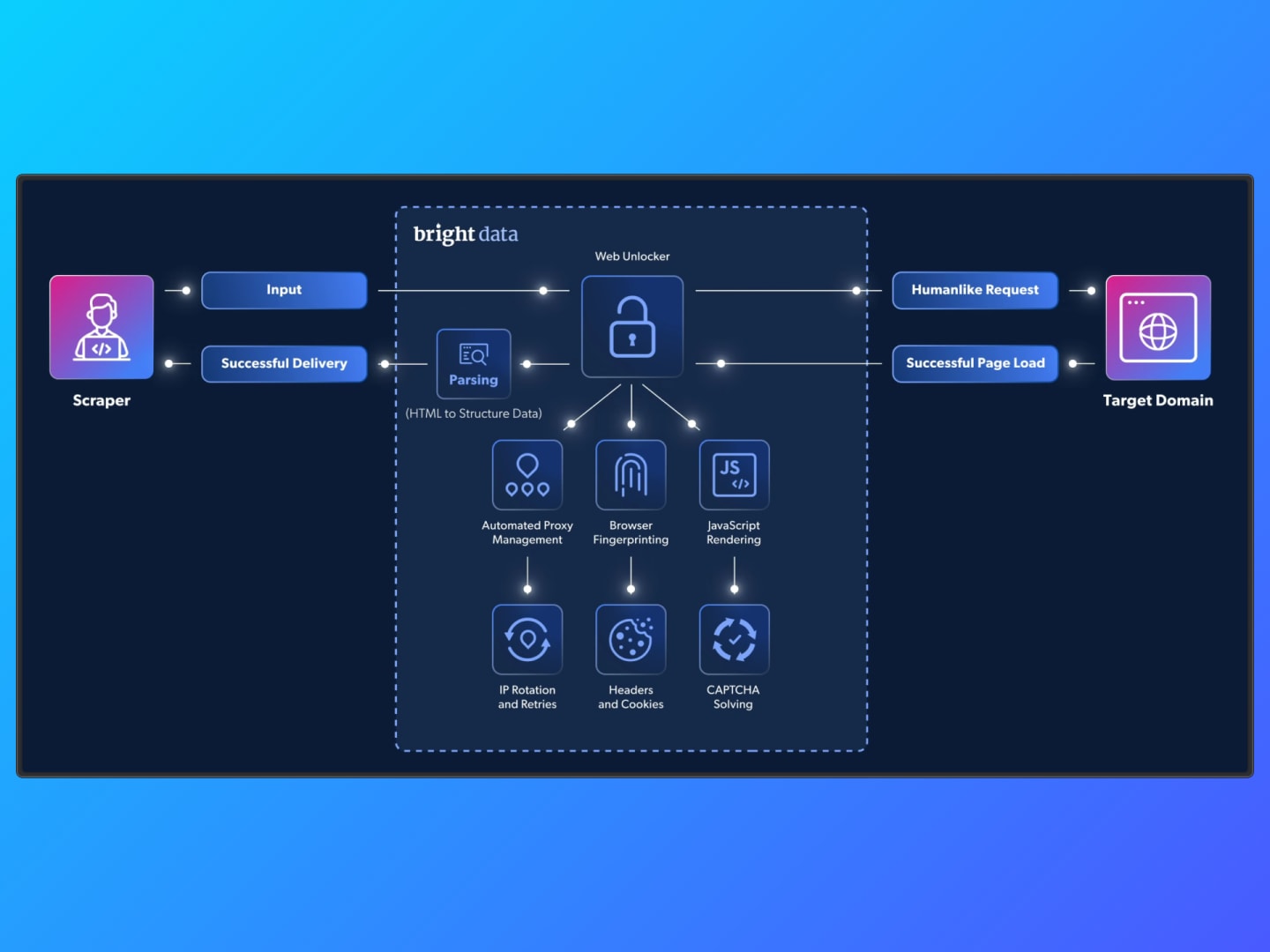
Web scraping turns web pages into structured data. Start with the fundamentals, pick the right stack for static vs JavaScript-heavy sites, then scale responsibly with rate limits, robots.txt, and a clear legal line between public data and authenticated access.
114 articles · Updated August 17, 2026
Prefer official APIs when they exist. Scrape public pages politely — respect robots.txt, throttle requests, and never treat login-walled data the same as the open web.
Hand-picked and latest articles from this topic.
Beginner-friendly guides to help you learn the fundamentals.
Plain-English explainers for core concepts related to this topic.
A headless browser is a real browser engine that runs without a visible window — used to render JavaScript-heavy pages before you scrape them.
Read guiderobots.txt is a text file sites publish at /robots.txt to tell crawlers which paths they may fetch and how politely to crawl.
Read guideWeb scraping is the automated collection of data from web pages — turning HTML into structured records you can store, analyze, or feed into other systems.
Read guideQuick-reference cheatsheets for tools and libraries in this space.
Playwright drives real browsers from code so you can scrape JavaScript-rendered pages, wait for content, and extract the DOM.
Read guideBeautiful Soup parses HTML and XML in Python so you can find tags, text, and attributes with a simple API.
Read guideCurated tools, docs, and communities worth bookmarking.
Quick answers about this topic hub.
Scraping publicly available data (pages you can view logged out) is generally legal under US case law such as hiQ v. LinkedIn — the CFAA does not treat that as unauthorized access. Risk rises when you scrape behind a login, ignore contracts or privacy law, or misuse the data after collection. Prefer official APIs when they fit.
For static HTML, Python with requests and Beautiful Soup is a solid default. Scrapy fits larger crawls and pipelines. For JavaScript-rendered pages, use a headless browser like Playwright or Puppeteer so the DOM matches what users see.
Fetch alone often returns an empty shell. Drive a real browser with Playwright, wait for the content you need, then extract with selectors or the rendered HTML. Handle pagination, lazy loading, and network idle carefully so you do not race the page.
Yes for polite, sustainable scraping. robots.txt is not always a hard legal rule, but ignoring crawl delays and disallow rules is a fast way to get blocked and burns goodwill. Throttle requests and identify your bot with a clear User-Agent.
Whenever a stable official or partner API gives you the data you need. APIs are usually faster, more reliable, and clearer on terms. Scrape when the data is public, there is no suitable API, and you can collect it without harming the site.