
In the modern business landscape, speed isn’t just an advantage; it’s a survival trait. Whether you are a scaling startup or an established enterprise, the ability to find, vet, and onboard high-quality professionals in days rather than months is what separates market leaders from the rest. However, traditional recruitment often feels like a bottleneck, plagued by manual resume screening and endless ghosting.
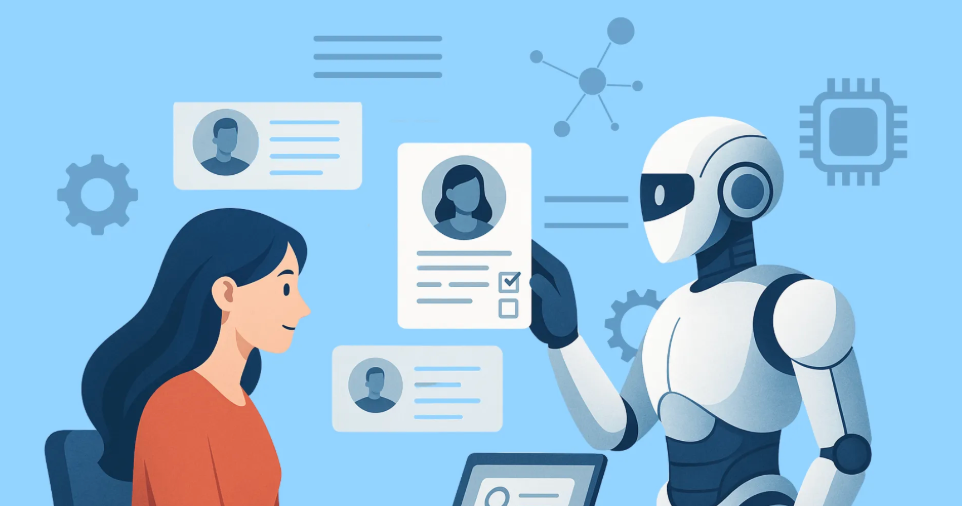
Enter the era of AI talent sourcing tools. These technologies are no longer just futuristic concepts; they are the current backbone of efficient hiring. By automating the most tedious parts of recruitment, these tools allow business owners to focus on what they do best: growing their company.
The Evolution of Recruitment: Beyond the Job Board
For decades, sourcing meant posting a job description on a board and praying for qualified applicants. This post and pray method is increasingly ineffective in a globalized economy. Today, recruiters and founders are turning to AI talent sourcing tools to proactively identify candidates who aren't just looking for a job but are the right fit for the culture and the specific technical needs of the role.
Unlike traditional databases, AI-driven platforms can analyze millions of data points, from social media footprints to GitHub repositories, to find passive talent. These are high performers who might not be browsing job boards but are open to the right opportunity if it’s presented to them by an intelligent system.
How AI Talent Sourcing Tools Reduce Hiring Bias
One of the most significant advantages of integrating AI talent sourcing tools into your workflow is the reduction of unconscious bias. Human recruiters, despite their best intentions, often fall prey to affinity bias, hiring people who went to the same school or share similar backgrounds.
AI algorithms can be programmed to focus strictly on skills, experience, and performance metrics. By masking names, genders, and photos during the initial screening phase, these tools ensure that the talent pool is diverse and selected purely on merit. This leads to more robust, innovative teams that bring a variety of perspectives to the table.
Automated Screening and Skill Verification
The manual review of resumes is the biggest time-sink in recruitment. Modern AI talent sourcing tools utilize Natural Language Processing (NLP) to read resumes like a human would, but at a thousand times the speed. They don't just look for keywords; they understand the context of a candidate's career progression.
Furthermore, many of these tools now include automated technical assessments. Before a candidate even speaks to your team, the AI has already verified their coding ability, writing style, or project management proficiency, ensuring you only spend time interviewing the top 5% of applicants.
The Power of Video: A New Dimension in Sourcing
While data points are essential, the human element still matters. This is where platforms like SourceU are changing the game. By combining AI talent sourcing tools with video introductions, employers get a 360-degree view of a candidate instantly. 0
Imagine skipping the first round introductory call entirely because you’ve already watched a 2-minute AI-vetted video of the candidate answering your specific questions. This level of transparency accelerates the "trust" phase of hiring, allowing you to move to a contract in as little as 24 to 72 hours.
Cost Efficiency: Slashing the Recruitment Bill
Traditional headhunters often charge 20% to 30% of a candidate's annual salary as a placement fee. For a small business, this is often prohibitive. AI talent sourcing tools provide a scalable, cost effective alternative.
By leveraging automation, companies can reduce their cost per hire by up to 80%. These savings can then be reinvested into product development or marketing, further fueling the growth cycle. Whether you need a virtual assistant for administrative tasks or a specialized media manager, AI makes premium talent accessible to every budget.
Predictive Analytics for Future Hiring Needs
The most advanced AI talent sourcing tools don't just help you hire for today; they help you plan for tomorrow. By analyzing your company's growth trends and turnover rates, AI can predict when you will need to add your next team member.
This just in time hiring approach prevents the panic-hiring that often leads to poor culture fits. Instead, you can have a warm pipeline of candidates ready to go the moment a new project is greenlit.
Enhancing the Candidate Experience
It’s often forgotten that recruitment is a two way street. Top-tier talent wants a seamless, professional experience. Long, clunky application forms are the quickest way to lose a great candidate.
AI talent sourcing tools streamline the application process, providing candidates with instant feedback and clear timelines. Automated scheduling bots eliminate the calendar dance, allowing candidates to book interviews directly into your schedule. When candidates feel respected and their time is valued, they are much more likely to accept an offer.
Integrating AI into Your Existing Workflow
You don't need to scrap your entire HR department to benefit from these advancements. Most AI talent sourcing tools are designed to integrate seamlessly with existing Applicant Tracking Systems (ATS).
The goal isn't to replace humans but to give them superpowers. By handing the data-crunching and initial outreach to an AI, your HR professionals can focus on the high-value aspects of the job: employee engagement, career development, and long-term organizational strategy.
Conclusion: Take Action with AI-Powered Sourcing
The transition to AI-driven recruitment is no longer optional for businesses that want to stay competitive. By utilizing AI talent sourcing tools, you gain access to a global talent pool, reduce your overhead costs, and build a team based on objective data rather than gut feeling.
If you’re ready to stop flying blind and start building your dream team with precision, it's time to explore the tools that are defining the future of work. Don't let your growth be limited by outdated hiring practices.
Further Reading
Discover more articles on similar topics across our network

Binance Agent OS vs Meta Muse vs Sierra: Comparing the AI Agent Platforms Shaping 2026
Three companies launched competing AI agent infrastructure this month. We compare Binance Agent OS, Meta Muse, and Sierra's commerce agent standards across trading, shopping, and enterprise use cases.

Comments
Loading comments…