Have you ever picked up your phone to check a single notification, only to realize forty minutes have vanished into a void of mindless scrolling? Our digital attention spans have plummeted to about 8 seconds, creating a fragmented focus that makes traditional, hour-long study sessions feel impossible. This shift has turned learning apps into a necessity for the modern, busy professional who wants to reclaim those small pockets of time. For example, when you are waiting for coffee or riding the train, you can turn that time into genuine intellectual growth with general knowledge apps.
To help you navigate the crowded ed-tech market, we have curated this list after analyzing expert recommendations, market research, and user feedback and sentiment across social media and platforms like Substack and Reddit. Our selection process prioritized tools that demonstrate high stickiness and scientific backing for their teaching methods. Here is a review and a list below to help you see which apps and their features match your specific goals and daily routine.
1. Nibble App and Platform: Mastering General Knowledge in 10-Minute Sessions
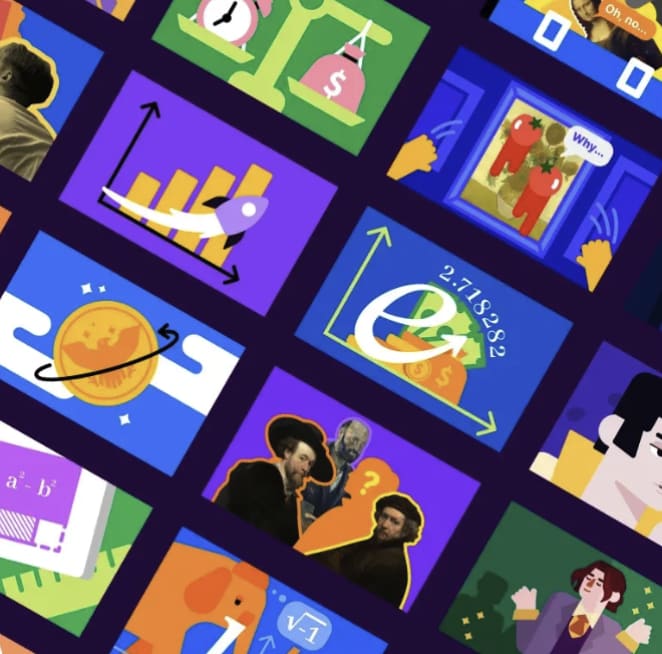
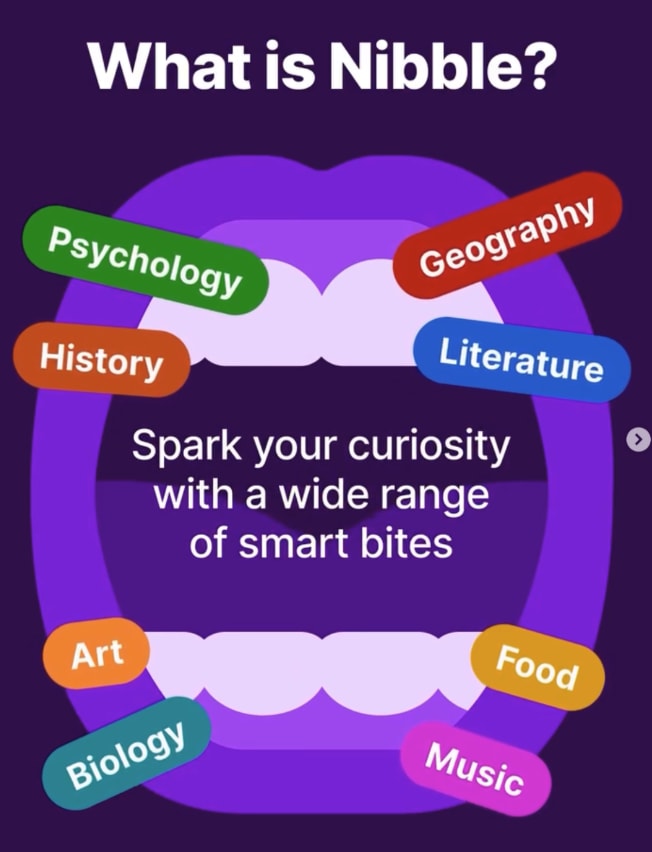
If you feel overwhelmed by the sheer volume of information available today, the Nibble app is designed to be the antidote to that choice paralysis. It is an all-around knowledge platform focused on microlearning. It transforms deep, academic subjects into interactive educational journeys, focusing on continuous learning. Whether you are curious about why revolutions spark or how neural networks actually function, Nibble breaks these concepts down into 10-minute shortcasts and interactive lessons with beautiful up-to-date design that fit perfectly into a lunch break.
The app is built on the principle of the trial-and-error method. Making mistakes during the learning process actually strengthens memory retention; therefore, Nibble leans into this by replacing passive reading with active doing. It is specifically designed for the busy adult who wants to become more well-rounded without the babyish tone found in some younger-skewing apps.
Key features of Nibble:
- Diverse Topic Library: You can access 20+ categories, including Philosophy, AI, Art, Gardening, Criminology, History, Biology, and more
- Interactive Shortcasts: Listen to 5–12 minute audio episodes that explain complex why questions
- Smart Gamification: Use geography or math games to replace doomscrolling with productive dopamine hits
- Visual Learning Aids: Complex theories are simplified through high-quality graphs and illustrations
- Habit Building: Set daily goals (like regular reads at 10 mins/day) to stay consistent without burnout
2. Headway App: Consuming Bestseller Nonfiction Summaries on the Go
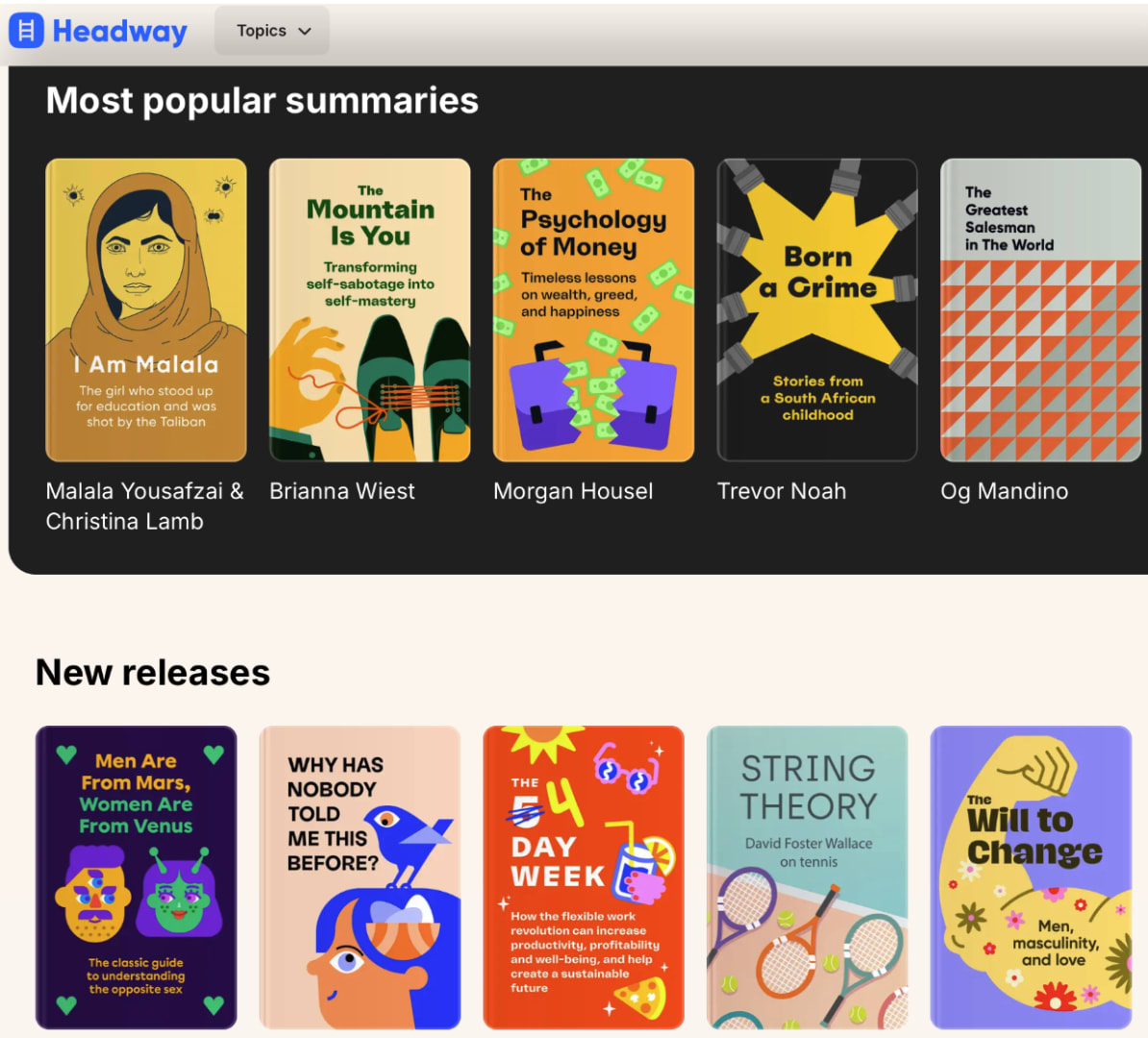
For some of us, the to-read pile on our nightstand has become a source of guilt. Headway**** solves this by providing 15-minute summaries of the world's best nonfiction titles. By focusing on key insights, the app lets you grasp the core philosophy of a 300-page business or self-help book in a single commute.
Actually, reading summaries can significantly improve long-term recall when paired with spaced repetition and testing concepts and tips the same day — a feature Headway integrates directly into its interface. It's an essential tool for those who need to stay updated on professional trends but lack the time for in-depth reading.
Why Headway works for busy learners:
- Audio and Text Versions: You can switch between reading and listening, depending on whether you're walking or sitting
- Daily Insights: Receive a daily dose of wisdom to keep your motivation high
- Personalized Paths: The app suggests titles based on your specific career or personal growth goals
- Spaced Repetition: Flashcards based on the books you've read help move ideas from short-term to long-term memory
3. Duolingo App: Turning Language Practice Into a Daily Streak
Consistency is the biggest hurdle in language acquisition. Duolingo effectively gamifies the microlearning habit by breaking down complex grammar and vocabulary into 5-minute sessions. Duolingo users can gain significant proficiency, provided they maintain their daily streaks.
The app's genius lies in its ability to fill dead time. You can complete a quick lesson in Spanish or French, and also learn how to play chess. How Duolingo keeps you learning:
- You get the psychological urge to keep a streak alive encourages daily engagement
- The algorithms adjust lessons based on your past mistakes
- Lessons are small enough that not having time is no longer a valid excuse
4. Khan Academy: Strengthening Academic Foundations for Free
While many apps focus on soft skills, Khan Academy remains the gold standard for structured, academic microlearning. If you've ever felt a gap in your knowledge regarding Statistics, Macroeconomics, or Biology, this nonprofit platform offers high-quality video lessons that are rarely longer than 10 minutes. Why it's a staple for self-learners:
- Mastery Learning: You move to the next topic only once you have proven you understand the current one.
- Completely Free: No subscriptions or hidden fees.
- Comprehensive Coverage: From K-12 math to complex organic chemistry, the depth is unmatched.
5. Quizlet App: Optimizing Memory with Digital Flashcards
At some point, learning requires pure memorization — whether it's medical terminology or a new coding language. Quizlet uses the Ebbinghaus Forgetting Curve logic, which proves that we lose information over time unless we review it at specific intervals. By using digital flashcards, you can perform high-intensity memory sprints whenever you have a free minute. You can also add such notes and create dashboards to Notion, Canva, or Figma for recall. How Quizlet or similar apps and visualization flashcards help you remember:
- Spaced Repetition: The app flags cards you struggle with and shows them more frequently.
- User-Shared Decks: Access millions of study sets created by other professionals and students.
- Learn Mode: An AI-driven study path that prepares you for specific deadlines or exams.
Choose Learning Apps That Fit Your Time and Test Features
The shift toward micro learning apps is a practical response to our increasingly busy lives. By choosing an app based on your specific format preference, whether it's the interactive challenges of the Nibble app, the book summaries of Headway, or the academic rigor of Khan Academy, you can turn lost time into a competitive advantage.
Your goal could be to replace 10 minutes of passive scrolling with 10 minutes of structured growth. You can start by identifying one dead slot in your day, like your morning coffee or your evening wind-down, and test one of these apps to see how much you can actually learn in a few bite-sized steps and how useful the solution is for you.
Comments
Loading comments…