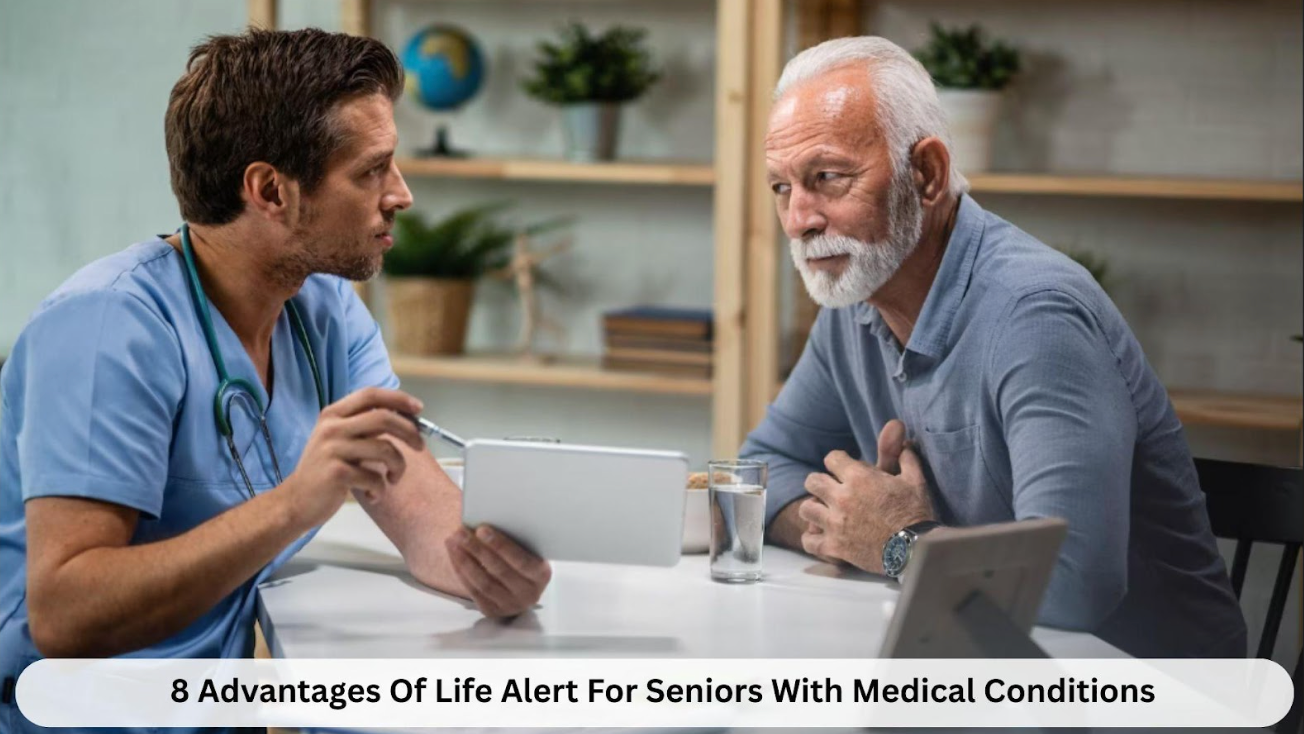
Many older adults dream of continuing to live safely and comfortably in their own homes. Maintaining independence is a deeply held priority for everyone. Managing serious health issues like heart disease, diabetes, or a recent recovery from an injury makes this goal feel challenging. A personal medical alert system offers a crucial solution.
Life alert devices provide instant access to emergency help with the simple press of a button. They empower seniors to manage their health confidently without needing a live-in caregiver. This technology helps bridge the gap between support and the desire for an autonomous life.
In this article, you will discover the major benefits a medical alert system provides for older adults and their loved ones.
1. Ease of Use
Struggling to operate complex equipment or reach a phone when injured or confused is a major source of anxiety. Life alert for Canadians is designed to be intuitive and incredibly simple. Seniors typically wear the help button as a lightweight pendant or wristband. This easy-to-wear design ensures the device is always accessible right when they need it most.
The process is simple and requires minimal effort. You simply press the designated button on the device. This action immediately connects your loved one to the professional monitoring center through a two-way speaker in the base unit. The built-in fall detector automatically signals for help when a user can’t press the button.
2. Affordable Emergency Care
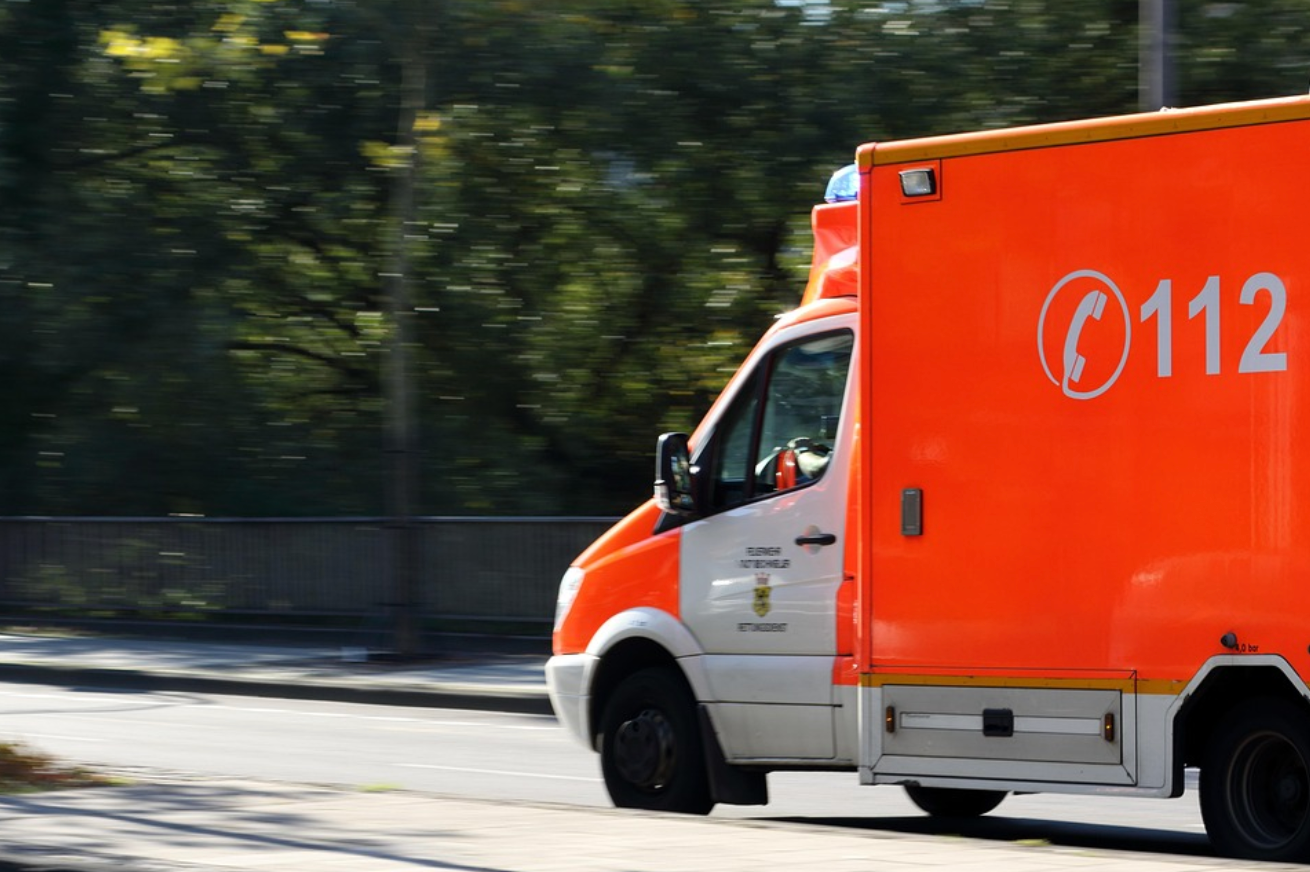
People worry that a single medical emergency could lead to a massive, life-altering financial burden. A medical alert system offers real financial relief when you compare its manageable monthly fee to the huge expense of an emergency room visit or a lengthy hospital stay. Quick intervention after a medical incident significantly reduces the severity of an injury. It also prevents dangerous secondary complications.
Rapid medical attention minimizes recovery time and lowers overall healthcare costs. The life alert system supports the user’s deep desire to age in place successfully. Choosing this reliable service can also postpone the need for much more costly residential care, such as moving to an assisted living facility.
3. Enhanced Independence
Many seniors limit their daily activities because they fear falling when alone and losing their ability to live autonomously. This does not have to be the case anymore. A medical alert system promotes confidence and self-reliance. Knowing that emergency help is always available frees you from the constant anxiety of being unsupported.
4. Peace of Mind

Persistent worry about a loved one’s safety often steals your focus and peace of mind. The benefits of a reliable medical alert service extend greatly to the senior’s family members and caregivers who gain immense peace of mind knowing their relative has a constant, reliable safety net. A trained dispatcher is always on call, ready to coordinate the correct response, and the monitoring service ensures an emergency will never go unnoticed.
5. Better Security & Safety
The terrifying thought of being incapacitated and unable to call for help after a medical crisis haunts those who live alone. Modern medical alert services incorporate advanced features that dramatically increase personal safety.
Their devices include GPS tracking. It allows first responders to pinpoint a user’s exact location, even if they are far from home. The fall detection sensors improve that by ensuring the user can communicate with their loved ones or the control center in emergencies.
6. 24-Hr Protection
Anxiety that an emergency will strike in the middle of the night, when you are least prepared, feels overwhelming. Emergency medical events occur without warning. These happen at all hours of the day.
What if an emergency strikes when everyone is sleeping, leaving you unsupported? A continuous, 24-hour, 365-day monitoring service is invaluable for this reason.
The life alert service ensures a trained professional is always ready to receive an alert. They quickly coordinate the necessary response, which could be an ambulance or a family contact. This constant, non-stop coverage guarantees you are never without support during a critical health crisis.
7. Personal Reminder

Do you struggle to maintain a perfect schedule when taking the medication that manages your health condition?
Some medical alert services provide helpful, non-emergency assistance features. These services often include personal reminder calls. Such reminders are critical for maintaining complex medication schedules.
8. Suits Your Lifestyle
You want a safety device, but you also worry about wearing something bulky or noticeable that compromises your style. The medical alert industry now offers stylish options to suit any activity level.
A perfect device exists, no matter how active a person is during their day. Choices range from simple, robust at-home units to sleek smartwatches with mobile connectivity. This wide variety allows seniors to select a system that genuinely fits their daily routine, preferences, and personal taste.
Summing Up
Medical alert systems are much more than simple safety devices. They work as comprehensive tools for maintaining freedom, enhancing personal security, and improving quality of life.
Life alert provides rapid access to professional help. Using this service ensures great peace of mind to the user and their family. This technology has become essential for supportive senior care and for people with chronic health conditions that could trigger dizziness, heart arrest, breathing difficulty, or mobility problems.
Frequently Asked Questions
Common questions about this topic
Comments
Loading comments…