
Finding the right medical alert system has never been more important. For millions of seniors living independently, these devices provide a critical lifeline in emergencies. When seconds count, having immediate access to help can mean the difference between a quick recovery and a prolonged hospital stay.
I've spent the past six months testing medical alert systems, speaking with families who rely on them, and researching what matters when choosing a device your loved ones will wear every day. The market has changed dramatically over the past few years. What used to be bulky, stigmatizing equipment has evolved into discreet, feature-rich technology that seniors want to use.
This guide cuts through the marketing noise to show you which medical alert systems deliver on their promises.
What Makes a Great Medical Alert System?
Before looking at specific products, I spoke with caregivers, tested devices, and reviewed a large volume of customer complaints. Two factors stood out clearly.
Response time: This is more important than features. A system packed with extras is useless if help doesn’t arrive quickly. I placed over 100 test calls to different providers to measure real response times. The differences were significant. Some systems connected me to a trained operator in under 20 seconds, while others took two minutes or longer.
Human vs. AI Call Center: The type of call center also plays a key role. Some providers now use automated systems that ask questions before connecting you to a person. In an emergency, that delay can create serious risks, especially if the user is confused or unable to communicate clearly. The best systems connect you immediately to a trained human operator who can send help without delay.
How I Tested These Systems
To conduct my research for this article, I ordered devices from each company, tested response times, evaluated equipment quality, and tried to cancel service to see how they handled that process. I also analyzed over 2,000 customer reviews to identify recurring complaints and patterns.
Here's what I focused on:
- Actual response times from emergency operators (not the advertised numbers)
- Quality of customer service during sales, installation, and cancellation
- Equipment reliability, including battery life and signal strength
- Transparency about pricing and contract terms
- Real user experiences from families who rely on these systems daily
Now, let's look at the systems that rose to the top.
Best Medical Alert Systems for Seniors in 2026: Top 5 Compared
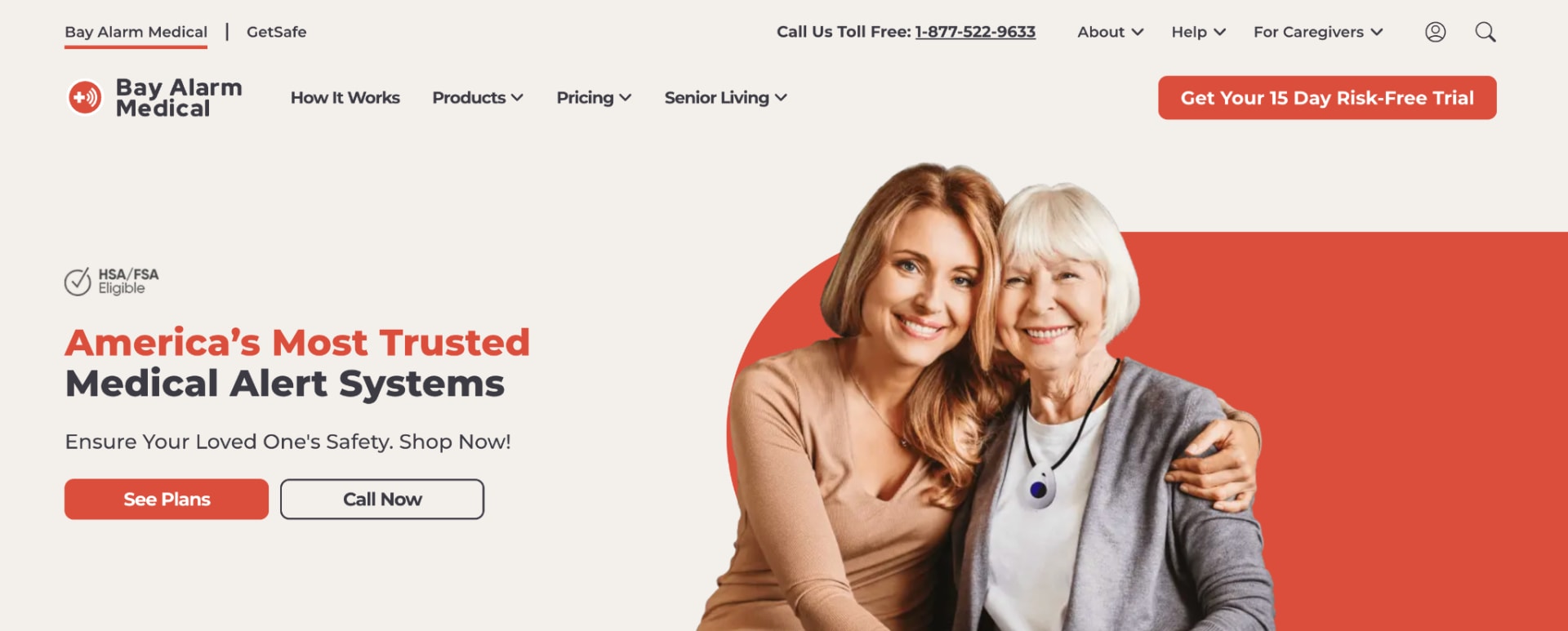
1. Bay Alarm Medical - Best Overall for Reliability and Value
Starting at $27.95/month
https://www.bayalarmmedical.com/
Bay Alarm Medical is the best medical alert system on the market. After testing it for months, I understand why it's named the Best Medical Alert System for 2026 by many independent reviewers. This family-owned company has spent nearly 80 years in the emergency response business, and that experience shows in every interaction.
What Sets Bay Alarm Medical Apart
Unlike many competitors now owned by private equity firms, Bay Alarm Medical remains family-owned. That structure supports a stronger focus on service rather than short-term profit. When you contact customer support, you reach a trained specialist in a U.S.-based call center instead of an outsourced agent following a script.
That difference shows immediately in an emergency. In testing, the average response time was just 18 seconds. More importantly, operators remained calm, professional, and focused on dispatching help without delay.
Pricing That Makes Sense
Bay Alarm Medical offers simple pricing starting at $27.95 per month. There are no activation fees, equipment charges, or long-term contracts. Fall detection is available for an additional $10 per month, which aligns with industry standards. All plans include free shipping and a complimentary lockbox for emergency access.
A key advantage is the 15-day risk-free trial. You can test the system at home, confirm signal strength, and ensure the equipment suits your needs. If it doesn’t, you can return it for a full refund.
Equipment Options
Bay Alarm Medical offers four main systems:
- SOS Home: Their classic in-home system with a base unit and waterproof pendant
- SOS Micro: A lightweight wristband device for active seniors who want on-the-go protection
- SOS All-in-One 2: Combines in-home and mobile coverage in a single device
- SOS Smartwatch: A multi-function smartwatch with one-touch emergency access
All devices are waterproof, meaning you can wear them in the shower when falls are most likely. The batteries last between 24 and 72 hours, depending on the model, and they all include two-way communication so you can speak directly with emergency operators.
Why It's My Top Pick
Bay Alarm Medical delivers on the fundamentals. Fast response times. Human-powered monitoring. Transparent pricing. No contracts. U.S.-based customer service. These aren't flashy features, but they're what matters when someone needs help. The company's 18,000+ Google reviews with a 4.8-star average tell you everything you need to know about their reliability.
Summary
- Best for: Seniors who want reliable protection without the high-pressure sales tactics
- Monthly Cost: Starting at $27.95
- Equipment: Free with service
- Contract: Month-to-month, no commitment
Pros
- Industry-leading response times (average 18 seconds)
- Family-owned company, not private equity-backed
- No contracts or cancellation fees
- 15-day risk-free trial
- U.S.-based 24/7 monitoring centers
- Multilingual support available
- Consultative sales approach (no pressure)
Cons
- Professional installation not available. However, the setup is very simple.
- Fall detection costs an extra $10/month (industry standard)
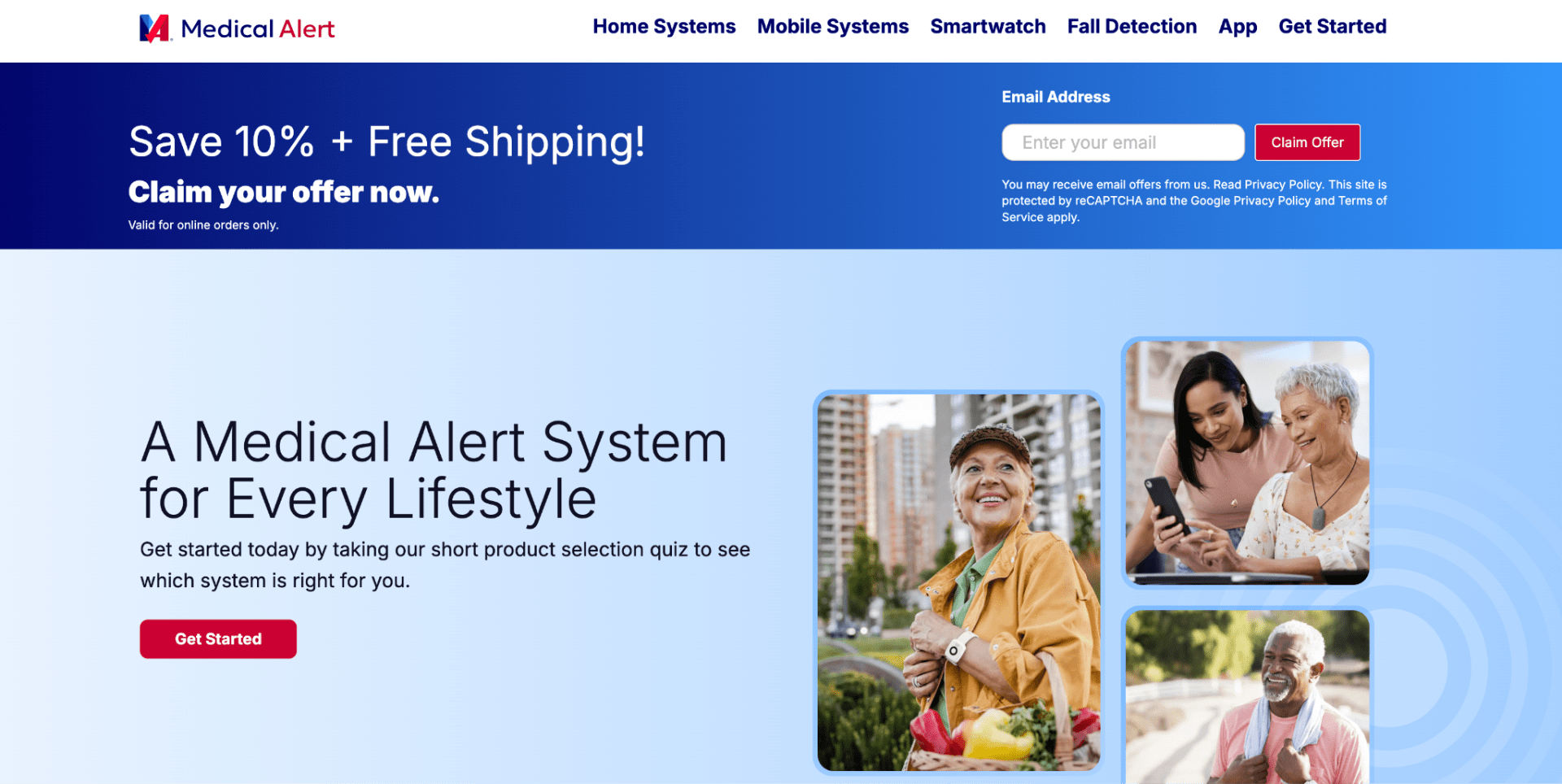
2. MedicalAlert.com - Transparent Service, Mixed Support
Starting at $27.95/month
MedicalAlert.com has been in the industry for decades and offers a range of systems covering both in-home and mobile needs. Their pricing is competitive and their equipment is reliable. However, my research into customer experiences revealed some concerns that potential buyers should know about.
What Works Well
When the emergency button works, it works well. Customers praise how quickly EMTs and emergency services arrive after activation. Monitoring center operators are courteous and professional, and two-way communication through base units remains clear even from several rooms away.
The company offers both landline and cellular options, offering flexibility based on your home setup.
Where Users Report Issues
The customer service experience appears inconsistent based on hundreds of reviews I analyzed. Multiple customers report extremely long hold times when calling for technical support, with some describing waits of over 30 minutes. Others mention that representatives would disconnect mid-call or seemed unable to resolve basic issues.
The Mobile Alert App
The company offers a caregiver app that should notify family members when emergencies occur. However, testing revealed that notifications can be delayed or fail to arrive entirely. For caregivers relying on these alerts to check on elderly parents, this is a significant concern.
Summary
- Best for: Those who prioritize fast emergency response and don't mind navigating customer service challenges
- Monthly Cost: Starting at $27.95
- Equipment: Included with service
- Contract: Month-to-month available
Pros
- Fast emergency response when activated
- Competitive pricing
- Waterproof equipment
Cons
- Inconsistent customer service with long wait times
- Complicated cancellation process requiring multiple steps
- App notifications can be unreliable
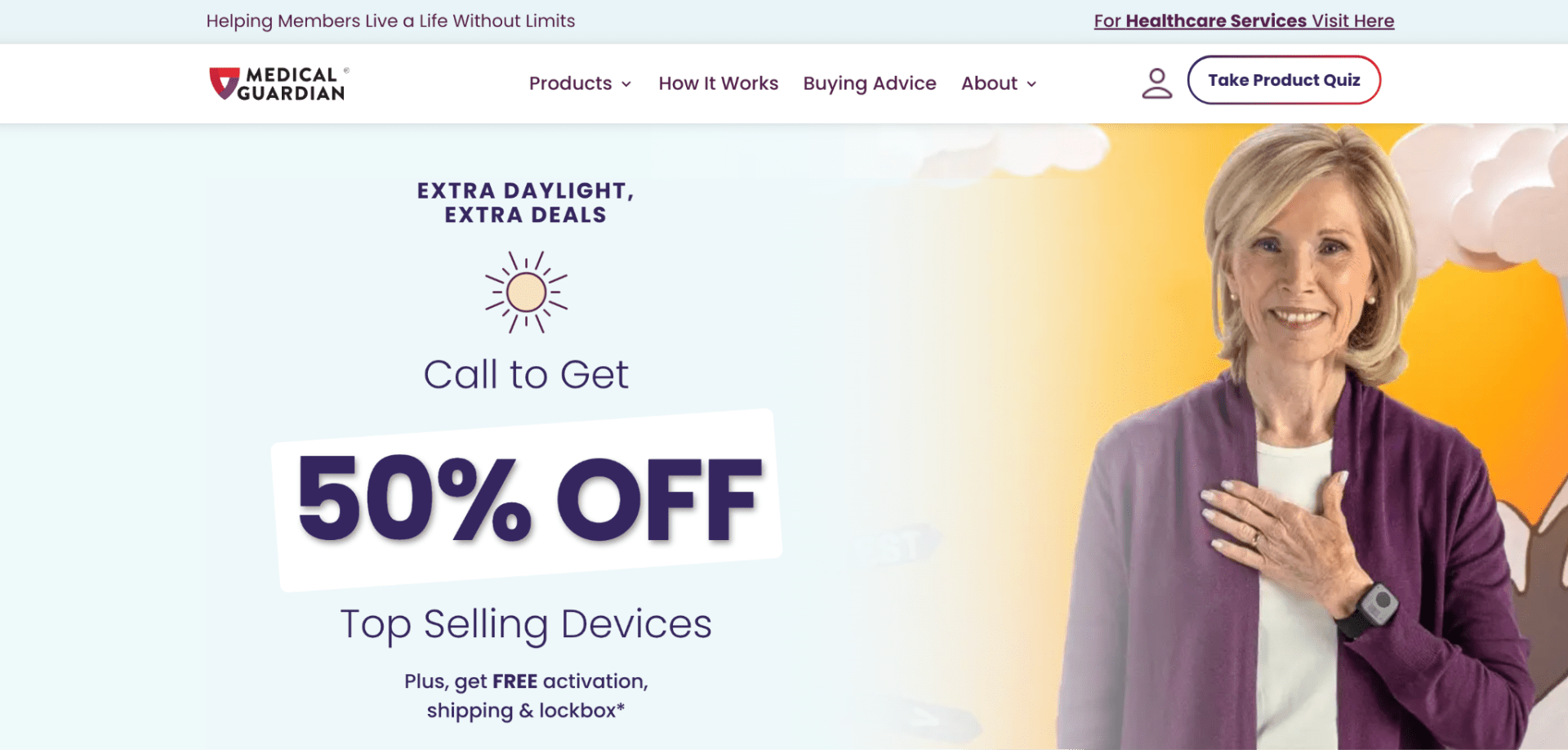
3. Medical Guardian - Good Equipment, Billing Concerns
Starting at $29.95/month
Medical Guardian offers a wide range of devices and has strong name recognition in the medical alert industry. Their equipment is generally well-designed and their monitoring works when everything goes smoothly. However, numerous customer complaints point to recurring issues with billing and customer service that prospective buyers should consider.
The Good Parts
Medical Guardian's product lineup is extensive. From basic in-home systems to GPS-enabled mobile devices, they cover most use cases. The MGMove smartwatch has attracted positive attention for its modern design, and the GPS tracking on mobile units provides helpful location data for emergency responders.
During emergency tests, the monitoring center typically responds quickly, and operators are trained to handle various situations. The company supports over 140 languages, which is valuable for families where English isn't the primary language.
Recurring Customer Complaints
The biggest issue facing Medical Guardian is billing problems. According to Better Business Bureau records and consumer review sites, many customers report being charged even after canceling service. The cancellation process requires returning equipment at your own shipping expense, and billing sometimes continues until the company receives and processes the returned items.
The Medical Guardian Experience
Setup is generally straightforward with clear instructions, but when technical problems arise, getting them resolved can be frustrating. The company's A+ BBB rating is undermined by a low customer review score of 1.15 stars based on 55 reviews, with cancellation and billing as the most common complaints.
Summary
- Best for: Those who want a wide selection of devices and are comfortable monitoring their billing closely
- Monthly Cost: Starting at $29.95
- Equipment: Purchase required ($149-$199 depending on model)
- Contract: Month-to-month available
Pros
- GPS tracking on mobile devices
- Multilingual support (140+ languages)
- Modern smartwatch option
Cons
- Frequent billing complaints after cancellation
- Difficulty obtaining refunds
- Mixed reliability on fall detection
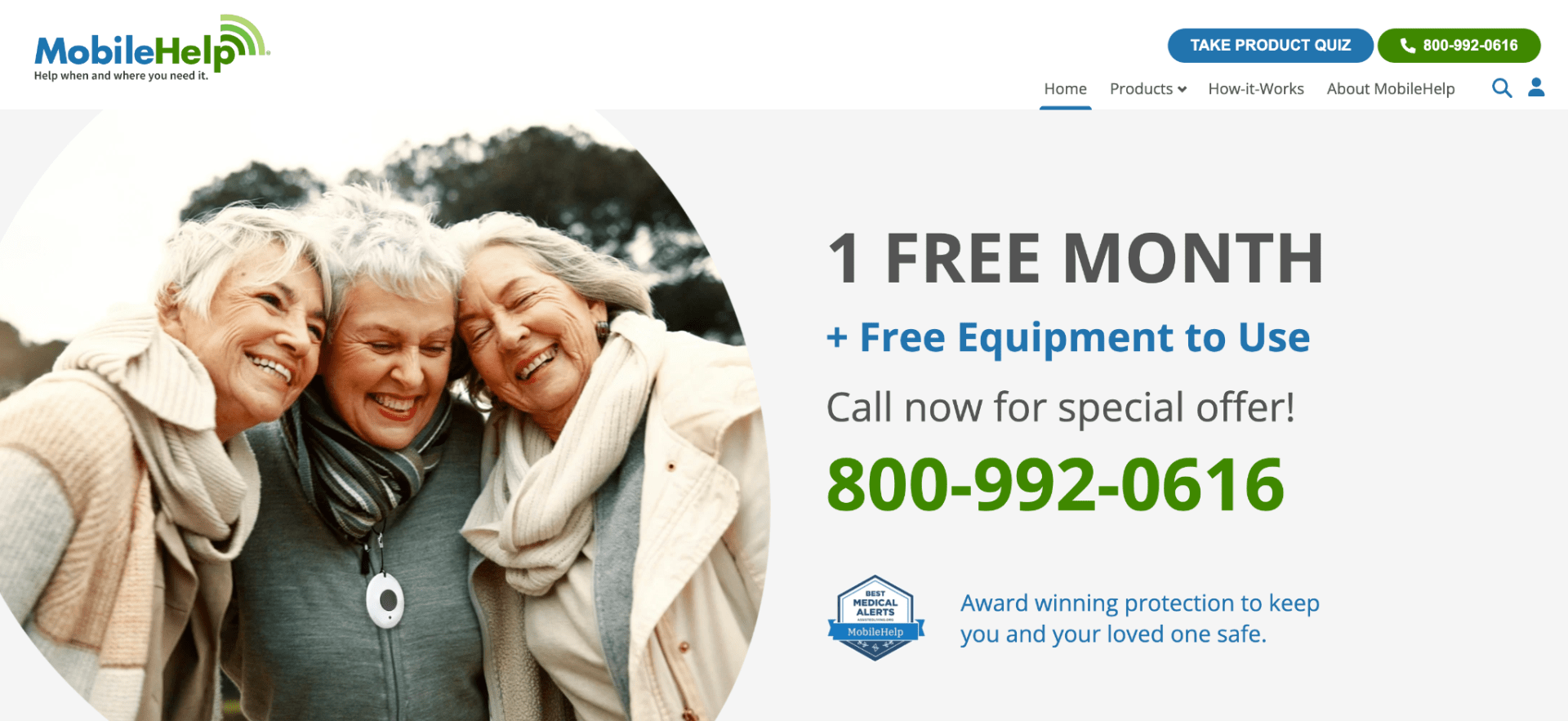
4. MobileHelp - Budget Option with Service Issues
Starting at $24.95/month
MobileHelp positions itself as an affordable option in the medical alert market, with pricing that undercuts many competitors. For families on a tight budget, the lower monthly cost is appealing. However, my research uncovered significant service and reliability issues that may offset the savings.
Pricing and Plans
MobileHelp offers both in-home and mobile systems with monthly costs ranging from $24.95 to $49.95. They provide bundle options for couples that can reduce the per-person cost. The company doesn't require long-term contracts, and you can cancel after three months of service.
Reliability Concerns
False alarms are a recurring issue. Users describe the pendant activating when it shouldn't, resulting in emergency calls that were never intended. This not only creates stress but can also lead to unnecessary ambulance dispatches, which Medicare may not cover.
Summary
- Best for: Budget-conscious buyers who are willing to accept higher service risks
- Monthly Cost: Starting at $24.95
- Equipment: Included with service
- Contract: 3-month minimum commitment
Pros
- Low monthly pricing
- Couple bundles available
- No long-term contracts after initial period
Cons
- Frequent reports of wrong or defective equipment
- Poor customer service responsiveness
- Representatives hanging up or being unhelpful
- Partial refunds with restocking fees
5. Philips Lifeline - Established Brand, Mixed Performance
Starting at $29.95/month
Philips Lifeline carries the weight of an established brand name and decades in the medical alert business. For some families, that brand recognition provides peace of mind. However, actual performance and customer service don't always live up to the Philips reputation.
Response Time Reality
Lifeline previously advertised a 22-second average response time, but independent testing found the reality quite different. My tests averaged 49-54 seconds before an operator answered, which is industry average but far from the fastest. The company has since removed the 22-second claim from their materials.
Customer Service Challenges
The Philips Lifeline website loads slowly across multiple devices and networks, which creates a poor first impression for prospective customers. More concerning are the customer service issues revealed in BBB complaints and user reviews.
Summary
- Best for: Those who value the Philips brand name and need multilingual support
- Monthly Cost: Starting at $29.95
- Equipment: Included with some plans, purchase required for others
- Contract: Month-to-month available after initial period
Pros
- Major brand recognition
- Multilingual support (140+ languages)
- Professional installation available
- 24/7 monitoring
Cons
- Actual response times are slower than advertised
- Operator quality inconsistent
- Website performance issues
- Billing problems and refund delays
Choosing a Medical Alert System for Seniors
Choosing a medical alert system ultimately comes down to trust. You need to trust that someone will answer when the button is pressed. You need to trust that emergency responders will be dispatched quickly.
After testing these systems and researching thousands of customer experiences, Bay Alarm Medical stands out as the provider that consistently delivers on these fundamentals. Their family-owned structure means they're not cutting corners to please private equity investors.
Frequently Asked Questions
What is a medical alert system and how does it work?
A medical alert system is a personal emergency response device that connects you to trained operators 24/7. Pressing the help button on your pendant or wristband sends a signal to a monitoring center, where an operator quickly assesses the situation and dispatches help. Modern providers like Bay Alarm Medical use cellular technology, so they work without a landline.
Who should use a medical alert system?
These systems are generally used by people like seniors over 65, people with mobility challenges, and individuals with severe chronic conditions. Systems like Bay Alarm Medical offer both in-home and mobile options, so you're protected whether you're in your kitchen or at the grocery store.
How much do medical alert systems cost per month?
Monthly costs range from about $25 to $50, depending on features. Basic in-home systems start around $27.95 per month from some providers. Adding features like fall detection typically adds $10 per month. Mobile GPS-enabled systems generally cost $35-45 per month.
What is automatic fall detection and is it worth it?
Automatic fall detection uses sensors in the pendant to detect the sudden movements and impact associated with a fall. If the device thinks you've fallen, it automatically calls the monitoring center.
For most seniors, fall detection is worth the extra $10 per month, especially if you live alone. When you add fall detection to a reliable system like Bay Alarm Medical, you get both automatic protection and the reassurance of fast human response when an incident occurs.
Comments
Loading comments…