
Backyard wildlife has captivated homeowners, birdwatchers, and nature enthusiasts alike. Whether it's a night-time guest, a prying squirrel, or a vibrant songbird, every backyard has a distinct tale to tell.
Monitoring wildlife has never been simpler because of developments in artificial intelligence (AI), smart cameras, and connected gadgets. Instead of depending on random sightings, homeowners can build an automated system to identify birds, track their behaviors, and obtain valuable information about their local ecosystems.
For anyone who loves birds or observes what is flying overhead, a backyard wildlife monitoring system combines AI technology with conservation. Here are some tips for setting up a wildlife monitoring system, including an AI-powered smart bird feeder, to capture incredible wildlife moments that support responsible observation.
Why Build a Backyard Wildlife Monitoring System?
A wildlife monitoring system is a lot more than a mere pastime. It allows users to observe birds in their natural habitat without disturbing them, learn about the migration patterns of different species, and determine which creatures are native to the area.
Some of the main advantages are:
● Monitoring animal and bird activities all year round. ● Discovering the biodiversity of the area. ● Developing instructional activities for kids. ● Assisting with citizen science initiatives. ● Identifying wildlife that visits gardens to protect them.
With AI-based devices, this isn't necessary anymore, as they can save you hours watching feeding stations or video footage. Rather, AI systems automatically identify key moments.
Essential Components of a Backyard Wildlife Monitoring System
It is not necessary to have specialized tools to create an effective monitoring system. Some well-chosen equipment can ensure a solid system.
AI-Powered Smart Camera
At the centre of the system is an outdoor, high-definition smart camera. Select a model that has:
● Motion detection ● Night vision ● Weather resistance ● Local or cloud storage ● Broad viewing angles
By differentiating between birds, mammals, humans, and pets, some more recent cameras' AI features reduce false alarms.
Motion Sensors
External motion sensors improve detection accuracy. They won't record anything unless they detect wildlife within their field of view, saving space and battery power in the process.
Weatherproof Mounting
Install cameras with a clear view of feeding stations, bird baths, or blooming plants on poles, fences, or trees. Correct positioning can greatly aid in species identification and image quality.
Reliable Internet Connection
Most smart wildlife systems use Wi-Fi to connect to the internet so they can get updates, post video, and send instant warnings to your smartphone.
Tips to Build a Backyard Wildlife Monitoring System
The first step to a successful backyard wildlife monitoring system is planning. Here are some helpful practical tips to help bring wildlife to you, capture the best possible footage, and make the most of AI-powered wildlife observations.
Use AI to Identify Wildlife
AI has revolutionized the way people observe wildlife. AI processes images and makes comparisons with a vast species database for identification, rather than requiring humans to identify each visitor.
One of its most thrilling uses is AI Bird Recognition, which leverages appearance, color patterns, shape, and behavior to automatically identify bird species. A technology that can save all the hours and help beginners learn about local birds faster.
The more information that can be gleaned from backyard birdwatching, the more enjoyable it becomes. The more information that can be gleaned from backyard birdwatching, the more enjoyable it becomes.
Install a Smart Bird Feeder
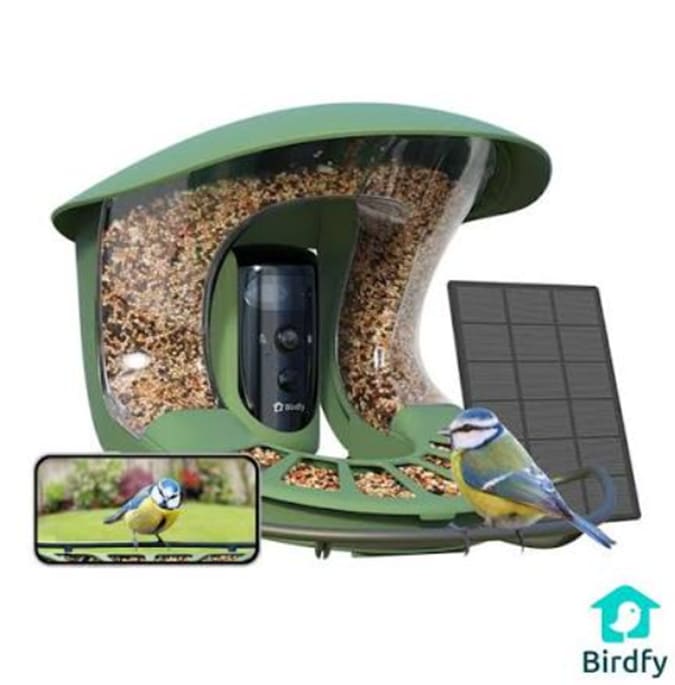
A great addition to any monitoring system is a Smart Bird Feeder. These devices tend to be equipped with cameras built into the feeder, so close-up photos can be taken when birds arrive, unlike traditional feeders.
Key benefits are:
● Automatic images and videos capture ● Species identification ● Visitor counts ● Analysis of feeding time ● Mobile notifications
The Smart Bird Feeder is a great tool for many homeowners who value a learning experience in feeding birds rather than the conventional way. Some models even produce digital bird journals that show all the species that visit your yard.
Select the Best Camera Location
Camera placement greatly affects monitoring success. The following are some ideal locations:
● Bird feeders ● Bird baths ● Flower gardens ● Nesting boxes ● Small ponds ● Trees with regular bird activity
Don't use cameras directly in the sun when it is coming up or going down— it can cause significant glare, which will adversely affect image quality. Install cameras at a height that keeps pets from getting in the way while still allowing a clear view of the wildlife.
Effectively Use Motion Detection
Motion detection reduces the amount of data that needs to be recorded, since it turns on the cameras only when motion is detected.
To increase precision:
● Modify the motion sensitivity parameters. ● Take moving branches out of the camera’s field of view. ● Avoid using cameras on crowded streets. ● Create specific activity areas focused on gardening or feeders.
With the correct settings, false alerts caused by wind, rain, or passing vehicles are minimized.
Better Recording Wildlife at Night
After sunset, a variety of backyard creatures become active, such as:
● Owls ● Raccoons ● Foxes ● Hedgehogs (where native) ● Possums ● Bats
Infrared night-vision technology enables cameras to capture clear images of nighttime wildlife without disturbing them. Some high-end cameras also feature low-light color imaging to produce even better nighttime shots.
When the sun sets, an entirely different realm emerges in many homeowners' own backyards that they are unaware of.
Organize and Analyze Wildlife Data
Eventually, you will have hundreds, or even thousands, of photos and videos stored in your system. It is helpful to organize this information, so you can find interesting trends.
Some useful categories are:
● Species observed ● Date and time ● Feeding behavior ● Seasonal changes ● Weather conditions ● Nesting activity
For extended observation periods, many AI platforms automatically create timelines and statistics of wildlife, making it more convenient. AI Bird Recognition may be able to identify patterns in migration, breeding seasons, and feeding habits across species over time.
Protect Wildlife While Monitoring
Technology should not be in the way of wildlife. Follow these recommended practices:
● Avoid positioning cameras too near nests. ● Avoid using flash photography near nocturnal animals. ● Clean feeders regularly to prevent the spread of disease. ● Use the proper bird seeds for native species. ● Pets should not be near feeding stations.
Ethical monitoring will keep the animals comfortable and give more natural observations.
Expanding Your Backyard Ecosystem
After your monitoring system is set up, you can encourage more biodiversity by creating habitats for wildlife.
Make these simple improvements, such as:
● Native flowering plants ● Pollinator gardens ● Bird baths ● Small water features ● Shrubs for shelter ● Nesting boxes
The healthier your habitat is, the more diverse the birds, butterflies, insects, and small mammals that will visit you, and the more interesting the interactions you can capture on camera.
AI Analytics and Long-Term Insights
Today's monitoring systems offer far more than snapshots. AI can process data from months of wildlife activity to uncover trends that might not be apparent.
Advanced software might provide:
● Species frequency reports ● Peak activity hours ● Seasonal comparisons ● Population changes ● Migration timelines
This information will be used by homeowners to become more aware of their surroundings and by the community to make informed conservation observations. You learn about birds, weather, and habitat in your backyard, and your backyard becomes a place that reflects these changes over time.
Future Trends in Backyard Wildlife Monitoring
AI is a constantly changing technology. It is hoped that future wildlife monitoring systems will incorporate:
● Real-time species identification ● Bird song recognition ● Behavioral analysis ● Automated wildlife health monitoring ● Multi-camera ecosystem tracking ● Solar-powered smart devices
As AI becomes more complex, homeowners will be able to learn more about their backyard ecosystems with ease. The rise of AI bird recognition has also spurred manufacturers to create more intelligent cameras that can recognize hundreds of species with high accuracy.
Likewise, the next-generation Smart Bird Feeder systems will likely integrate artificial intelligence, environmental sensors, and cloud analytics, delivering detailed wildlife reports directly to users' smartphones.
Conclusion
Constructing a backyard wildlife monitoring system is not only a fun project but also a way to love nature and technology. Advanced technology, such as AI-powered cameras, motion sensors, and connected devices, enables homeowners to observe wildlife without disrupting their natural behavior and to learn more about local biodiversity.
Today's smart monitoring devices have made it easier, smarter, and more satisfying than ever to observe wildlife, whether it is following rare species in the area, recording seasonal movements, or just enjoying daily wildlife visits to the backyard.
By creating a safe habitat and responsibly using AI, you can make your backyard a natural world window. So, start planning and buy a smart bird feeder camera from a trusted online store!
Comments
Loading comments…