
For years, discussions about CAPTCHA bypassing focused on CAPTCHA farms: networks of human workers solving challenges on behalf of attackers. While effective, this approach has always been constrained by labor costs, response times, and operational complexity.
Today, a more scalable threat is emerging.
Advances in computer vision and machine learning have enabled attackers to train image recognition models capable of solving visual CAPTCHAs automatically. Instead of paying humans to identify objects, attackers can increasingly rely on AI systems that operate faster, cheaper, and at much larger scale.
This shift represents more than a technological evolution. It fundamentally changes the economics of bot attacks and forces organizations to rethink how CAPTCHA defenses are designed.
The Evolution of CAPTCHA Solving: From CAPTCHA Farms to CAPTCHA Cracking
In the early 2000s, CAPTCHA systems relied on tasks like distorted text that were easy for humans but hard for machines. Attackers quickly built “CAPTCHA farms,” which were networks of low-cost human workers who solved challenges in real time. This allowed bots to bypass protections by relaying images and receiving answers programmatically. This labour intensive approach dominated until around 2012, because computer vision and automation were still immature.
From the early to mid-2010s, advances in OCR and deep learning, especially convolutional neural networks (CNNs), enabled partial automation. At the same time, CAPTCHA designs evolved toward image-based selection and behavioural cues, such as the “I’m not a robot” interaction. Attackers shifted to hybrid workflows that used automated classification first and only fell back to human solvers when necessary. This marked a transition from a pure labour problem to a data and model challenge.
By 2017, fully automated cracking became mainstream. Bots harvested massive CAPTCHA datasets for training purposes, while powerful computer vision models, headless browsers, and proxy networks allowed end-to-end execution without human intervention. The process became industrialised and was driven by software and AI inference pipelines.
What Makes CNNs So Effective for Cracking CAPTCHAs?
Understanding automated CAPTCHA cracking requires knowledge of its underlying engine: Convolutional Neural Networks (CNNs). Unlike traditional algorithms, CNNs are designed to process pixel grids and automatically learn spatial hierarchies, from edges to complex shapes, without the need for manual feature engineering. This capability renders them particularly effective for deciphering distorted, noisy, and overlapping characters or objects.
A typical CNN pipeline commences with convolutional layers that slide small filters across the input image to detect local features such as strokes or corners. These are followed by non linear activation functions, commonly ReLU, which capture the warped distortions frequently encountered in CAPTCHA challenges. Pooling layers then reduce the spatial dimensions of the feature maps, decreasing the number of parameters and introducing translational invariance, so that the model remains robust to slight shifts in character position. The extracted features are subsequently flattened and passed through fully connected layers, where the network assigns probability scores to each possible output class.
Model training relies on a loss function, typically cross entropy, to quantify prediction errors, while backpropagation computes gradients and updates the weights iteratively via gradient descent. When trained on millions of scraped CAPTCHA samples, the model converges to a high level of accuracy. The principal advantage emerges at inference time, where predictions execute in milliseconds on commodity GPUs. This efficiency makes CNNs not only technically superior but also economically disruptive, as they reduce per solve costs from human labour rates to fractions of a cent.
7 steps to Build a CAPTCHA Cracking Workflow
Step 1: Setting the Stage
The attacker focuses their sights on a gaming company's registration process.

Step 2: Harvesting the image address
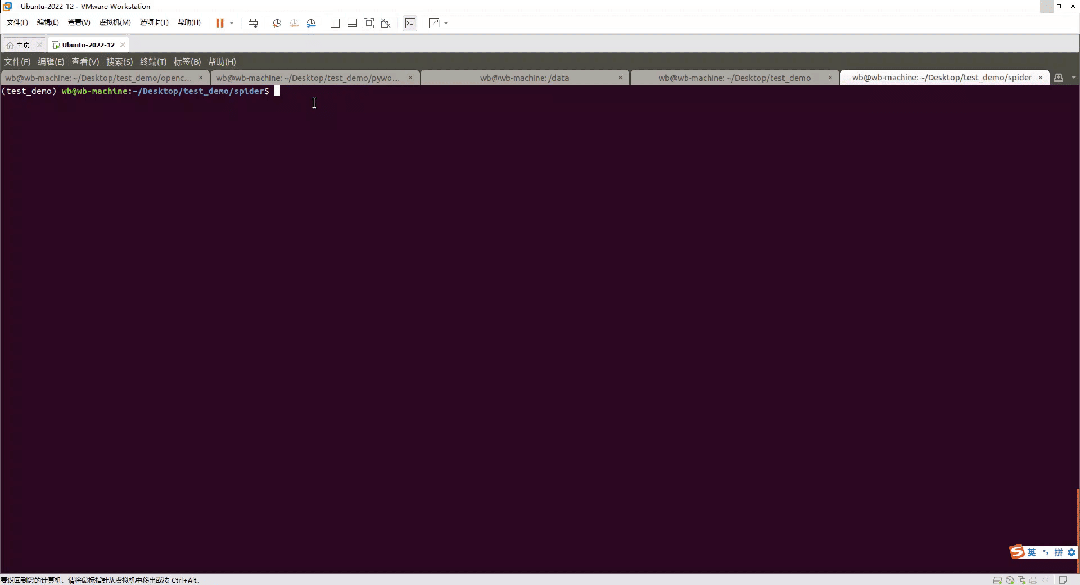
The attacker bombards the page interface with requests to extract CAPTCHA image addresses.
Step 3: Building the image repository
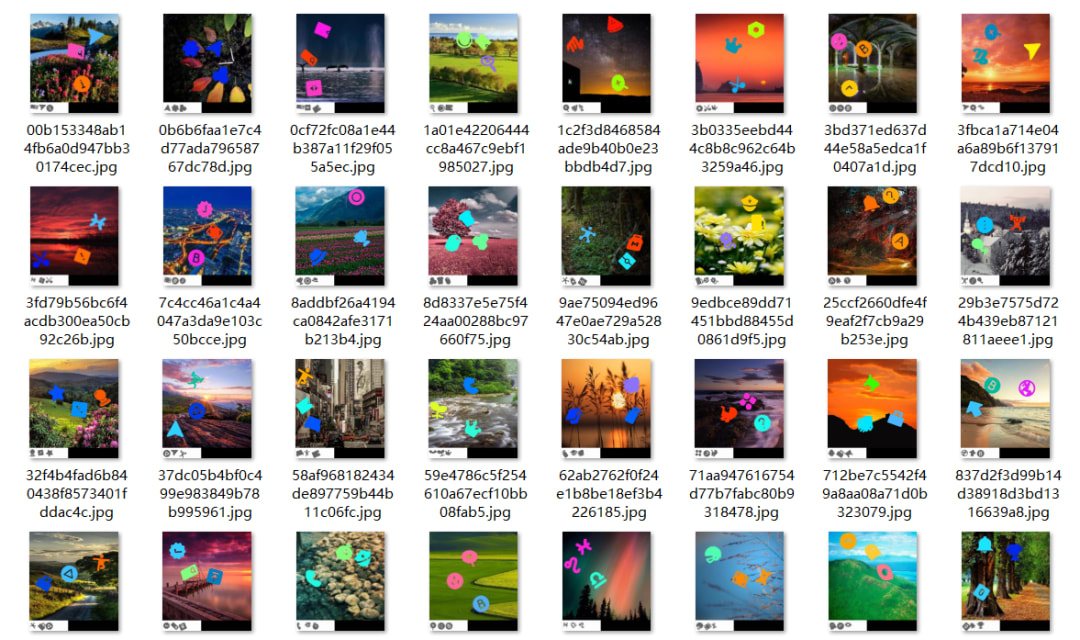
A massive collection of CAPTCHA images is amassed, typically hovering between 50,000 to 100,000.
Step 4: Manual solving
Humans in a CAPTCHA farm manually label the answers within these images.

Step 5: Crafting the strategy
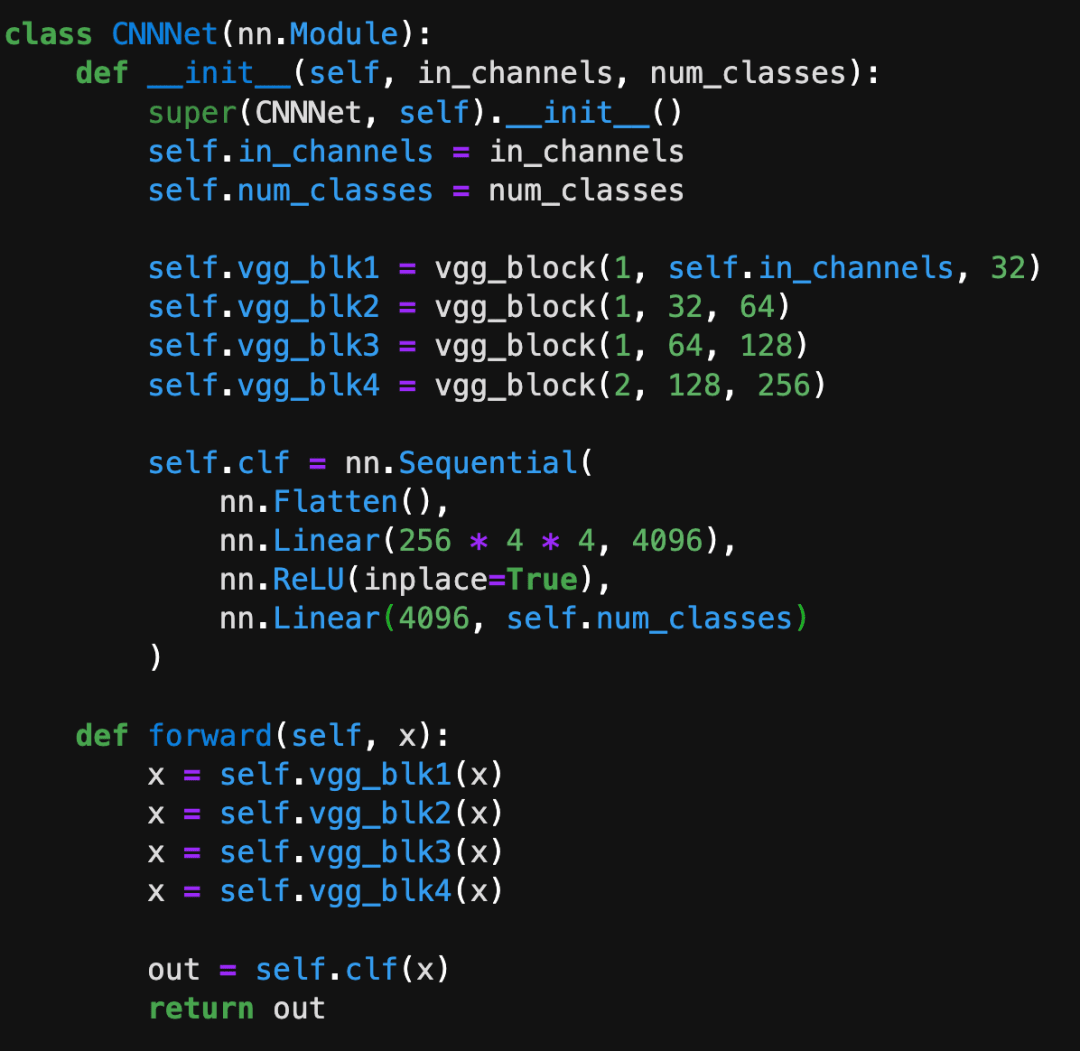
With the labelled data, the attacker designs the model's network structure and drafts the training code.
Step 6: Training the Beast
The labelled images, paired with answer coordinates, serve as training fodder for the model.
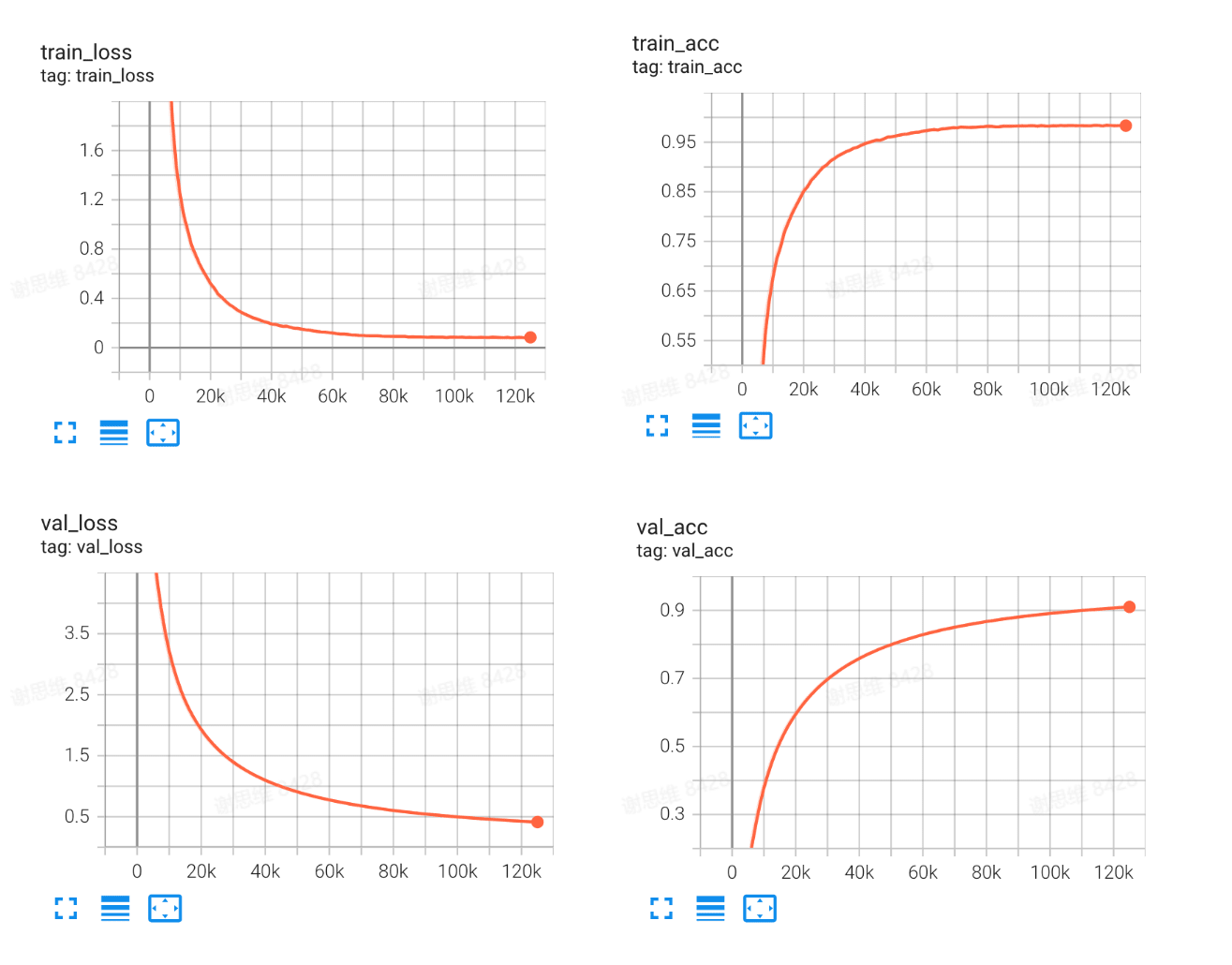
The training procedure depicted below reveals a consistent decline in both training and validation loss as the model iterates, eventually stabilizing. Concurrently, the model's accuracy progressively improves, nearing 100%. The validation accuracy converges at around 90%.
Step 7: Unleashing the Attack
Armed with a high-precision image recognition model, the attacker can easily bypass any subsequent CAPTCHA challenges.
The Economics of AI-powered CAPTCHA Cracking
At first glance, CAPTCHA cracking at scale may seem like a purely technical challenge. In reality, its rapid adoption is driven just as much by economics as by advances in artificial intelligence. While traditional CAPTCHA farms can still bypass challenges, they rely on continuous human labor, making large-scale operations expensive, slow, and difficult to sustain.
In internal experiments conducted by GeeTest, downloading and organizing approximately 300,000 CAPTCHA images required around 8 hours before model training could begin. If attackers depend on human solvers to label every CAPTCHA, each image costs around $0.001–$0.003 per image, resulting in roughly $300-900 in labeling costs and more than 200 hours of manual work. Every time a CAPTCHA provider refreshes its image library, attackers must repeat the entire process, spending another nine days and another $300-900 simply to rebuild their answer database. AI-powered CAPTCHA cracking fundamentally changes this cost model.
Instead of paying human workers to solve every challenge, attackers invest once in collecting CAPTCHA images, labeling a training dataset, and training an image recognition model. Although model development requires technical expertise and computing resources, the long-term return is substantial. Once trained, an AI model can recognize new CAPTCHA challenges in just 0.1 to 0.2 seconds per image. More importantly, if the CAPTCHA provider only refreshes the image library without significantly changing the underlying visual style, icon design, or object characteristics, the same model can often continue solving new challenges without requiring extensive retraining.
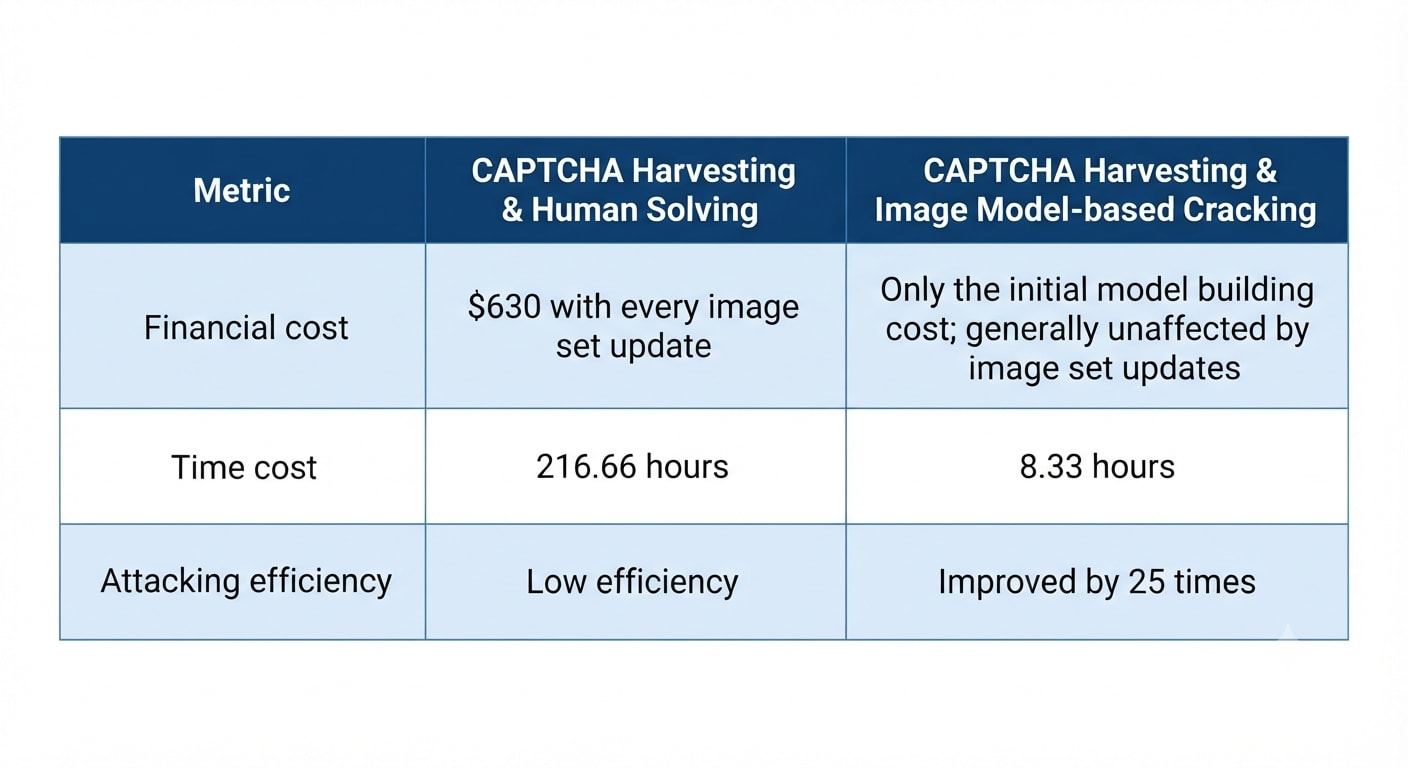
The economic advantage is clear. After the initial investment in model development, the ongoing cost of solving CAPTCHAs becomes almost negligible while solving speed increases by more than 25 times compared with manual operations. Instead of rebuilding an answer database after every CAPTCHA update, attackers can continuously reuse and fine-tune existing AI models, dramatically reducing both operational cost and maintenance effort.
This shift fundamentally changes the economics of bot attacks. Lower costs reduce the barrier to entry, allowing more attackers to automate credential stuffing, fake account creation, and promotional abuse. Faster inference enables attacks to scale from thousands to millions of CAPTCHA challenges with minimal additional expense. Most importantly, reusable AI models transform CAPTCHA bypass from a temporary operation into a persistent capability, enabling attackers to rapidly adapt and resume campaigns whenever defenses evolve.
For organizations, these changes represent far more than an improvement in attacker efficiency. They fundamentally reshape the threat landscape and challenge many of the assumptions that traditional CAPTCHA defenses were built upon.
What AI-powered CAPTCHA Cracking Means for Businesses
For organizations, the proliferation of AI driven CAPTCHA cracking is far more than a technical nuisance. It fundamentally undermines the long standing security assumption that CAPTCHAs provide a reliable barrier between humans and automated bots. As this assumption erodes, the implications cascade across business operations, risk management, and strategic defense planning.
1. Business Risks Propagate from the Gate to the Core
CAPTCHA has traditionally served as the first line of defense against automated entry. When AI renders this gate porous, attackers can impersonate human behavior at scale and at negligible cost. This gives rise to three critical categories of business risk.
First, account farming proliferates. Attackers can now automate the mass creation of fake accounts with ease. These synthetic identities become the foundation for credential stuffing campaigns, fraudulent transactions, spam reviews, and even reserves for future DDoS attacks. The integrity of the entire user base becomes compromised.
Second, resource draining and revenue leakage intensify. In e commerce flash sales, ticketing platforms, and promotional events, AI bypassed CAPTCHAs allow scalper bots to hoard limited inventory, snatch discounts, and secure high demand seats within milliseconds. Legitimate users are priced out or shut out, while businesses lose both immediate revenue and long term customer trust.
Third, data pollution and model degradation occur silently. When bot traffic floods registration, login, and engagement funnels, the resulting user data becomes contaminated with non human signals. This poisons downstream analytics, recommendation engines, and fraud detection models that rely on clean behavioral data. Over time, the organization's data driven decision making capacity deteriorates without visible warning.
2. The Erosion of Trust in Legacy Defenses
Most existing security architectures treat successful CAPTCHA completion as a strong indicator of human presence. AI powered cracking dismantles this indicator in two profound ways.
First, threshold based controls become obsolete. Traditional rate limiting and brute force protections depend on counting failed attempts. With AI models achieving over 90 percent accuracy and solving each challenge in 0.1 to 0.2 seconds, attackers rarely trigger failure thresholds. They simply succeed on the first or second try, slipping past defenses that were designed to catch repeated failures.
Second, the cost asymmetry reverses. Historically, CAPTCHA farms imposed significant labor costs on attackers, giving defenders an economic advantage. Today, attackers incur a one time model development expense. Subsequent solves cost fractions of a cent. This reversal means that organizations continuing to rely heavily on CAPTCHA as a primary defense are effectively subsidizing an increasingly ineffective control while bearing the full overhead of deployment, maintenance, and user friction.
How CAPTCHA Defense Must Evolve
If attackers are increasingly relying on AI, CAPTCHA defenses must evolve beyond static image challenges.
Simply refreshing CAPTCHA image libraries is no longer sufficient. Modern recognition models learn visual features instead of memorizing individual images, allowing them to generalize to newly generated challenges that share similar styles. Effective defenses must therefore focus on continuously invalidating the attacker's model rather than merely replacing images.
Several defensive strategies have become increasingly important:
- Increase visual diversity. Continuously vary icon styles, rendering techniques, object appearances, backgrounds, and layouts so that attackers cannot rely on a single trained model.
- Leverage AI against AI. AIGC technologies can generate highly diverse CAPTCHA images at scale, making it significantly more difficult for recognition models to generalize across new challenges.
- Adopt adaptive verification. CAPTCHA should work alongside behavioral analysis, device fingerprinting, and risk scoring to selectively challenge suspicious traffic instead of relying on static verification alone.
The future of CAPTCHA is not about creating puzzles that are harder for humans. It is about continuously increasing the cost of automated recognition while maintaining a seamless experience for legitimate users. As AI-powered attacks continue to evolve, CAPTCHA must become adaptive, dynamic, and intelligent enough to evolve with them.
Conclusion
The challenge facing CAPTCHA is no longer simply whether a machine can solve a test. It is whether verification systems can remain meaningful in a world where AI can learn, adapt, and scale faster than ever before.
As automated attacks become more intelligent, CAPTCHA must evolve from a static checkpoint into a security mechanism that understands context, adapts to risk, and protects users without adding unnecessary friction.
The future of CAPTCHA will not be defined by harder challenges, but by smarter verification.
Comments
Loading comments…