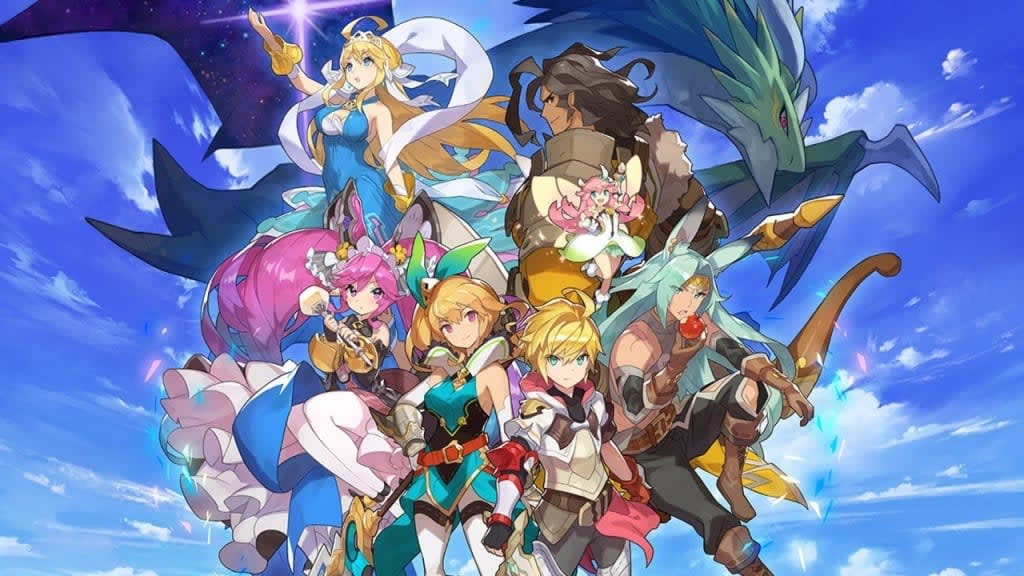
Inside the World of Fantasy RPGs: Heroes, Battles, and Strategic Progression
Fantasy role playing games invite players into worlds of magic, ancient kingdoms, and monsters waiting in the dark. They have been popular for decades because they offer something simple and powerful: the chance to become a hero and grow stronger through your own choices. The genre has since spread to phones, where it thrives in new forms.
This article explores how fantasy RPGs work. It looks at heroes and classes, the structure of battles, the logic of progression, and the community around these games. Along the way it offers practical tips for newcomers who want to enjoy the genre without feeling overwhelmed.
The Appeal of Becoming a Hero
At the heart of every fantasy RPG is identity. You are not just controlling a character, you are building one, deciding what they look like, what they are good at, and what kind of story they live. That sense of ownership makes victories feel personal and defeats feel worth learning from.
The setting adds to the pull. Swords, spells, dragons, and hidden temples give designers a rich palette, and players enjoy exploring places that feel larger than daily life. A good fantasy world rewards curiosity with secrets, so wandering off the main path often leads to the best moments.
Classes, Roles, and Playstyles
Most fantasy RPGs divide heroes into roles. Warriors take hits, mages deal heavy damage from a distance, healers keep the team alive, and rogues strike from the shadows. Choosing a role shapes how you play, so it is worth thinking about what you enjoy before committing to a path.
Mobile games often let you collect many heroes instead of just one. That changes the focus from a single character to a team, where roles must work together. Players who understand how a tank, a healer, and a damage dealer cooperate usually progress faster than those who simply pick the strongest looking names.
How Battles Are Structured
Battles come in several forms. Turn based fights let you think carefully about each move, while action systems reward timing and reflexes. Some games mix the two, with automatic combat that you steer through skill choices. Each style suits a different temperament, so it helps to try a few before settling on a favorite.
Preparation often decides the outcome. Before a hard fight, check enemy weaknesses, set your formation, and decide when to use special abilities. A well prepared team of modest strength can beat a stronger group that ignored the basics. That reward for planning is a big part of why the genre feels satisfying.
Progression and Growth
Progression is the engine that keeps fantasy RPGs moving. Characters gain levels, learn new skills, and equip better gear, and each step makes the next challenge reachable. The best games pace this carefully, so you always feel stronger than before but never unstoppable.
Long term goals add depth. Maybe you want to complete a collection, master a difficult dungeon, or reach a high rank in competitive modes. Mixing small daily goals with larger ambitions gives every session meaning. It also helps you decide where to invest limited resources instead of spreading them thin.
Choosing Where to Start
New players face a common question: start from scratch or join at a higher level? Starting fresh teaches the systems step by step and gives you the thrill of discovery. It takes time, though, and friends who are far ahead may be hard to catch.
Some players weigh options such as buy mobile legends account listings when they want to play with friends at a high rank. If you consider this, read the listing carefully, ask what is linked to the account, and check the publisher's policy. A rushed purchase can create problems that careful reading would have avoided.
Learning From Trusted References
Fantasy RPGs have a long history, and understanding it makes modern games easier to read. The Wikipedia article on role playing video games explains how the genre grew from tabletop roots and describes common features such as character growth and exploration.
That background helps you recognize patterns. When a new game arrives, you can quickly spot familiar systems and focus on what is different. Using reliable references alongside community guides gives you a balanced view, and it keeps you from relying on a single source that may be outdated.
Community and Shared Knowledge
Fantasy RPG communities are some of the most welcoming in gaming. Players share builds, explain boss strategies, and celebrate rare finds together. Beginners rarely need to figure everything out alone, because someone has almost always faced the same problem and posted a solution.
Guilds and clans add a social layer. Playing with the same people over weeks builds familiarity, and coordinated teams often beat stronger individuals. If you join a group, communicate clearly, show up for scheduled events, and be generous with advice. Good members make communities better for everyone who comes after them.
Spending, Safety, and Balance
Many fantasy RPGs sell currency, items, or boosts. Decide a monthly budget before opening the store, and remember that skill and patience usually matter more than spending. Free rewards from daily tasks and events can carry you a long way if you plan your resources carefully.
Protect your progress with a strong password and extra verification. If you ever want to Buy Game accounts or trade items, use a platform with a clear process, keep every receipt, and secure the account the moment it arrives. Enjoying the story is the goal, so keep the hobby balanced and stress free.
Further Reading
Discover more articles on similar topics across our network

Comments
Loading comments…