
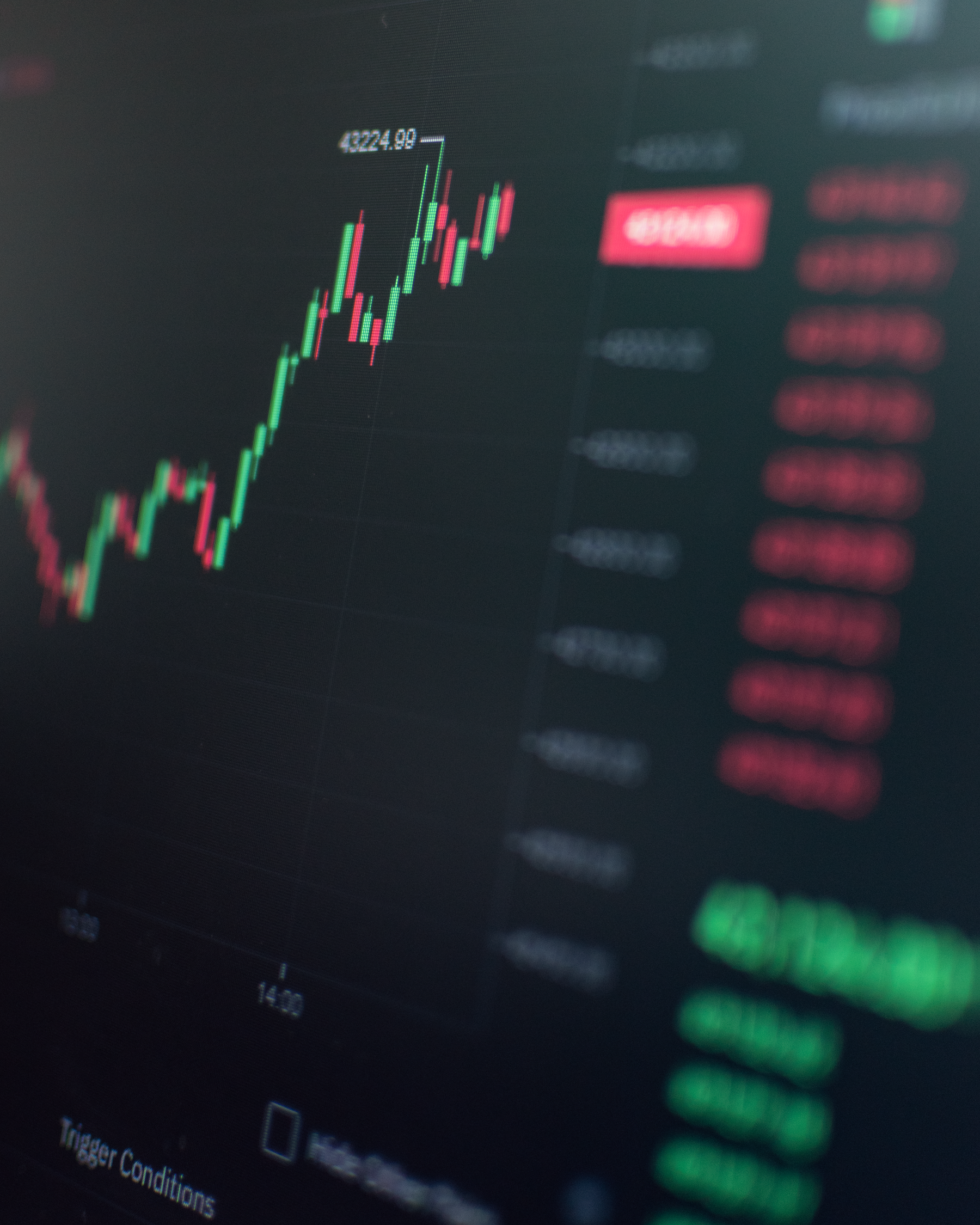
Buying and selling digital coins looks simple on your phone, but there’s a whole stack of engineering beneath, which determines how quickly trades fill and how prices get made: The matching engines, price feeds and the toughening money-movement rules.
When you tap "buy" on a crypto app, it seems instant. But there’s a lot of activity behind the curtain, moving at high speed: Your order jumps into a queue, gets checked against thousands of others and either matches instantly or waits its turn. It’s software, always under construction, built to handle more and more trades without slipping up.
Why do the prices keep moving?
No single company or committee decides what a coin is worth. Prices get built, order by order, out of what people are willing to pay and accept right then. Traders call that price discovery. Every time a trade fills, the price nudges a bit; thousands of these tweaks a minute turn into the chart everybody watches. It’s gotten way easier to check live prices than it used to be. Sites like Binance’s Bitcoin price page feed data straight from the order book, so anyone can see the Bitcoin price today, without sifting through a fancy terminal.
On September 17, 2026, for example, Bitcoin traded around $76,542.44, according to the live updated market data from Binance. What moves the number? Same factors as ever: How many folks want in versus out, what’s happening in the bigger economy and how much spare money is sitting around waiting for a chance.
What is moving an order?
At the heart of every exchange, there’s something called a matching engine. You can picture it like a fast referee, standing between every buyer and seller. It grabs orders as they come in, lines them up by price and then by who showed up first, and then, the moment prices match, it pairs up a buyer with a seller.
Speed isn’t just nice to have, it’s important to have. Back in August 2026, Coinbase launched a new matching engine for its derivatives arm, Deribit. It could chew through over 100,000 orders each second and match them in less than a millisecond, according to OneKey.
How is crypto tech being governed?
For years, the tech behind crypto trading outpaced the rules meant to govern it, especially for dollar-pegged tokens, or stablecoins, that traders use to park their cash between moves. That gap started closing on July 18, 2025, when the GENIUS Act kicked in across the United States, according to Congress.gov. For the first time, stablecoin issuers at the federal level had to hold reserves fully in cash or near-cash assets and had to report those holdings on a regular basis.
That change had more weight than people realized. Before the law, some stablecoins just weren’t fully backed. When Terra’s UST token lost its peg in 2022, dropping to nearly nothing in a matter of days, the risks of that gap were on full display. A federal reserve rule isn’t flashy, but it’s the kind of solid, behind-the-scenes fix that stops a repeat disaster.
How is the market for stablecoins?
Stablecoins now sit at the center of almost all crypto trading, like cash you can instantly add and withdraw in trades. The total stablecoin market hit $322 billion in June 2026, skyrocketing from about $150 billion at the beginning of 2024, more than doubling in just two and a half years.
Stablecoin transactions moving on-chain spiked above $27 trillion in 2025 alone, according to the 2026 Stablecoin Infrastructure Landscape report by Stablecoin Insider. Exchanges depend on that liquidity being dependable and moving fast, and groups like Binance have whole research teams tracking where this money is building up or draining out.
FAQ
Why can’t we separate crypto trading technology from the trading itself?
It just doesn’t work that way, as one shapes the other. The matching engine is what decides if your trade goes through at the price you see on your screen, not at some random number. Regulations are there for a reason, too. They make sure that when you have a dollar-backed token sitting in your wallet, it’s anchored to something real and trustworthy.
Why does Binance keep popping up whenever tech and crypto changes are discussed?
That’s not an accident. People cite Binance’s data and research all the time because the company sits right at the intersection of execution tech, market information and those increasingly strict rules everyone’s talking about.
What is the trend you should be paying attention to right now?
It’s not about whether crypto prices jump or crash from day to day. What really stands out is how much stronger the underlying infrastructure has become in the past year, and how much educational content there is available for anyone to join the technical world that is crypto.
Author: Pam Brown
Pam Brown is a journalist with exceptional analytical skills and a strong interest in modern financial systems. She specialises in translating complex topics like crypto, loans, and forex into clear, accessible content. Pam’s precise, research-driven writing has made her a trusted voice in the financial and fintech space.
Further Reading
Discover more articles on similar topics across our network



Comments
Loading comments…