
Remember when the internet felt anonymous? You could browse around, look stuff up, maybe leave a comment or two, and nobody really cared who you were. Those days are long gone. Now every click, search, and scroll gets logged somewhere. Companies you've never heard of have detailed profiles about your habits, preferences, and even your daily routines. The scope of data collection has expanded far beyond what most people realize.

It's gotten to the point where people are actively pushing back. Not in some dramatic, throw-your-phone-in-the-ocean way, but through small, practical steps that give them back a little control. And honestly? It's not as hard as you might think. The tools have gotten simpler, the awareness has grown, and ordinary people are finally taking action.
This isn't just a tech trend or a niche concern anymore. It's a mainstream shift in how people think about their relationship with the internet. From teenagers to retirees, more people than ever are asking the same question: why should corporations know everything about me?
The Wake-Up Call Most People Get Too Late
Usually it takes something uncomfortable to make people pay attention. Maybe you mentioned wanting new running shoes to a friend, and suddenly every ad you see is for sneakers. Or you searched for a medical symptom once, and now health insurance ads follow you around the internet for months. Creepy, right? These moments of realization happen to almost everyone eventually.
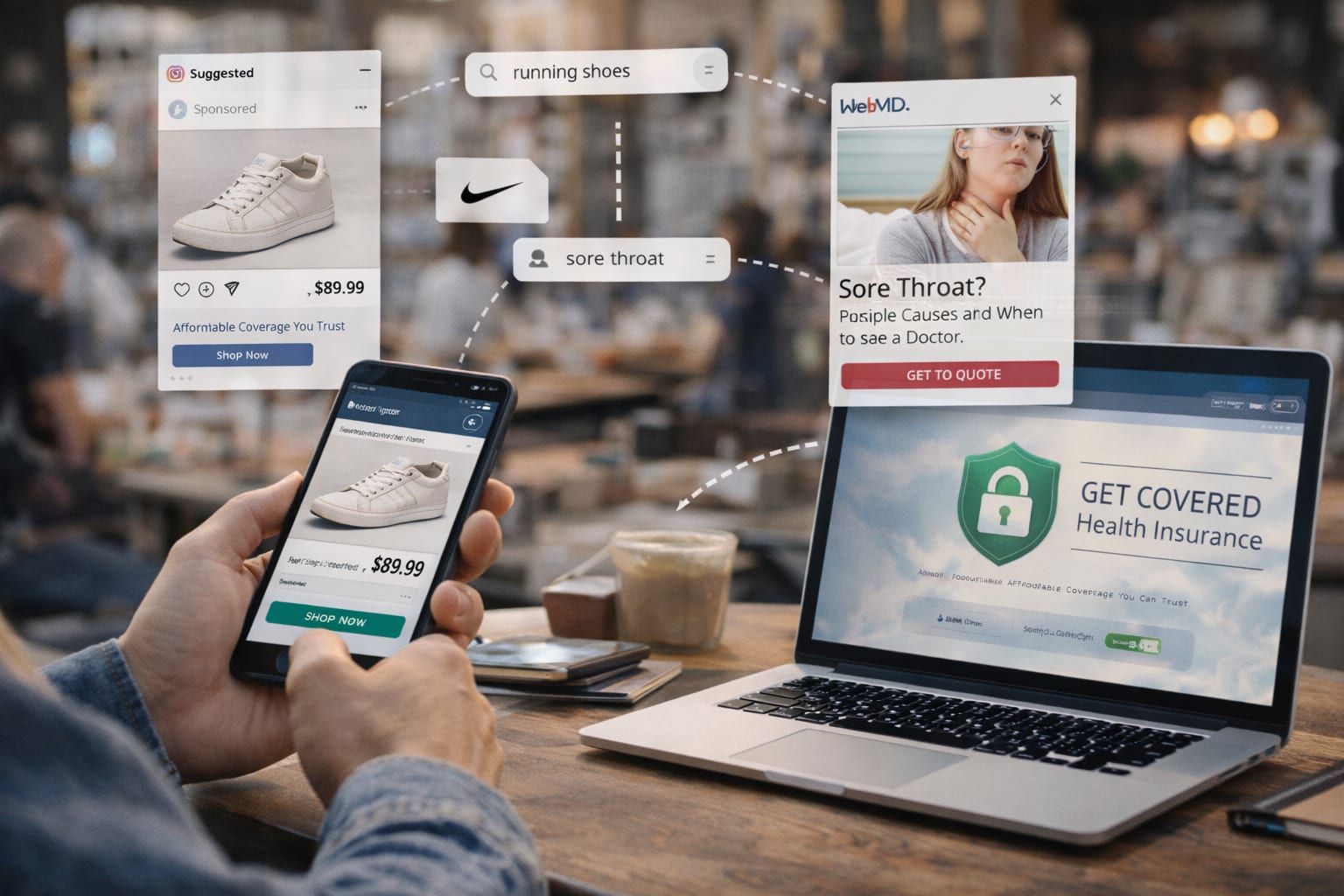
The truth is, your browsing data is incredibly valuable. Advertisers pay good money to know what you're interested in, what you're worried about, what you might buy next. Your internet provider, the websites you visit, the apps on your phone—they're all collecting pieces of your digital life and packaging it up for sale. You're not the customer. You're the product being sold to advertisers and data brokers.
Data brokers—companies whose entire business model is buying and selling personal information—maintain files on virtually every adult in developed countries. These profiles can include your estimated income, your health conditions, your political leanings, your relationship status, and hundreds of other data points. Most people have never heard of the companies that know the most about them.
What Regular People Are Actually Doing
The privacy-conscious crowd used to be mostly tech nerds and security researchers. Now it's teachers, parents, retirees, college students—basically anyone who's tired of feeling watched. And the solutions they're turning to aren't complicated. You don't need a computer science degree to take back some control over your data.
One of the most popular moves is using apps that encrypt your internet connection and hide your real location. iPhone and iPad users can grab a VPN from the App Store and have it running in under a minute. Once it's on, your traffic is scrambled and your IP address is masked—so trackers and snoops just see gibberish instead of your actual activity.
Android users have the same options available. A free VPN from the Google Play Store provides the same protection without any upfront cost. This accessibility has been crucial in driving adoption—when the solution is free and takes sixty seconds to set up, there's really no reason not to try it.
The "Nothing to Hide" Argument Doesn't Hold Up
Whenever privacy comes up, someone inevitably says, "Well, I'm not doing anything wrong, so why should I care?" Here's the problem with that logic: privacy isn't about hiding wrongdoing. It's about having boundaries. It's about maintaining some separation between your personal life and the corporations tracking your every move.
You probably close the bathroom door even though you're not doing anything illegal in there. You don't hand your unlocked phone to strangers on the street. You might have conversations with friends that you wouldn't want broadcast to your entire workplace. Privacy is a normal, healthy part of life—and that doesn't change just because we're talking about the internet.
Think about it another way: would you be comfortable with a stranger following you around all day, noting down every store you enter, every product you look at, every conversation you have? Of course not. But that's essentially what's happening in the digital world—it's just less visible, so we accept it by default.
There are also practical risks to consider. Data that seems harmless today could be problematic tomorrow. Your browsing history, location data, and communication patterns paint a detailed picture of your life. If that data gets breached, stolen, or misused, the consequences can be serious—from identity theft to targeted scams to embarrassing personal information becoming public.
Small Changes, Big Difference
You don't have to become a digital hermit to improve your privacy. Start with the low-hanging fruit: use a browser that doesn't track everything, turn off ad personalization in your phone settings, be pickier about which apps you give location access to. These take minutes and make a noticeable difference in how much data you're leaking.
Review the apps on your phone and ask yourself: does this game really need access to my contacts? Does this flashlight app need my location? Delete apps you don't use—every app is a potential data collection point. The fewer apps, the smaller your exposure.
For the bigger stuff—like keeping your browsing private from your internet provider or protecting yourself on public Wi-Fi—encryption tools are the answer. They used to be clunky and confusing, but modern apps are dead simple. Turn it on, forget about it, go about your day knowing your connection is protected. The technology has caught up with the need.
Other practical steps include using unique passwords for every account (a password manager makes this easy), enabling two-factor authentication wherever possible, and being skeptical of emails and messages asking for personal information. None of these require technical expertise—just a bit of intentionality.
The Shift Is Already Happening
Privacy tools have seen massive growth over the past few years, and it's not slowing down. People are fed up with being tracked, profiled, and targeted. They're realizing that convenience came with a cost—and they're deciding that cost is too high. The numbers tell the story: privacy-focused apps are consistently among the most downloaded in every app store.
Tech companies are responding to this shift, at least partially. Apple has made privacy a major selling point, adding features that block cross-app tracking. Browsers like Firefox and Safari have built in tracking protection. These changes wouldn't be happening if consumers didn't care—but clearly, they do, and companies are starting to listen.
Legislation is slowly catching up too. GDPR in Europe, CCPA in California, and similar laws in other jurisdictions are giving people more rights over their data. Companies are required to disclose what they collect and provide ways to opt out. It's not perfect, but it's progress—and it reflects growing public concern about unchecked data collection.
Looking Forward
The good news is you don't have to choose between using the internet and protecting yourself. With the right tools and a few smart habits, you can enjoy everything the online world has to offer without giving up your privacy in the process. And in 2026, that's not a radical idea—it's just common sense.
The internet isn't going to become less invasive on its own. Companies will always want more data, and they'll always find new ways to collect it. The question is whether you're going to participate entirely on their terms or take some control back. The tools exist, they're accessible, and they work. The choice is yours.
More people are making that choice every day. They're not paranoid conspiracy theorists—they're just ordinary people who decided that their digital life deserves the same boundaries as their physical one. If you've been thinking about taking your privacy more seriously, there's never been a better time to start. The learning curve is minimal, the benefits are real, and your future self will thank you.
Comments
Loading comments…