 Over the past few years, the way people research online casinos and sports betting platforms has quietly shifted.
Where users once relied heavily on blog reviews and editorial rankings, many are now turning to discussion-based communities to gather information from real users. This change reflects a broader trend across the internet: people increasingly prefer firsthand experiences over curated content.
Traditional gambling blogs typically follow a structured format. Articles are written by a single author, optimized for search engines, and often present conclusions in a clear, authoritative tone. While this model provides convenience, it can also limit the range of perspectives available to readers.
In contrast, community-driven platforms operate differently. Discussions are shaped by multiple participants, each contributing their own experiences, questions, and opinions. Instead of a single viewpoint, users are exposed to a wide range of perspectives—often within the same thread.
This shift is particularly noticeable in areas where trust plays a major role, such as evaluating online casinos, understanding bonus conditions, or comparing sportsbook experiences. Rather than relying on static reviews, users increasingly look for ongoing conversations that reflect current conditions and real-world outcomes.
Platforms like GamblingForum have emerged as part of this shift, offering spaces where users can exchange insights in real time rather than relying solely on pre-written content.
Another factor driving this change is the dynamic nature of the gambling industry itself. Promotions, platform policies, and user experiences can shift quickly. Community discussions tend to capture these changes faster than static blog content, making them a more responsive source of information.
For example, a typical discussion on GamblingForum.org might start with a simple question—such as withdrawal times or bonus requirements—and evolve into a detailed exchange of user experiences, follow-ups, and real-world insights.
This kind of interaction highlights a key difference: instead of consuming information passively, users actively participate in shaping it.
This doesn’t mean that blogs are disappearing. Instead, their role is evolving. Structured content still provides useful overviews and introductions, but many users now supplement that information by seeking out community discussions before making decisions.
The broader implication is clear: online research is becoming more collaborative. Rather than relying on a single source, users validate information through multiple perspectives and ongoing conversations.
As this trend continues, platforms that facilitate open discussion are likely to play a larger role in how users evaluate online services—not just in gambling, but across multiple industries.
In that sense, the rise of community-driven platforms is less about replacing blogs and more about redefining how trust and information are built online.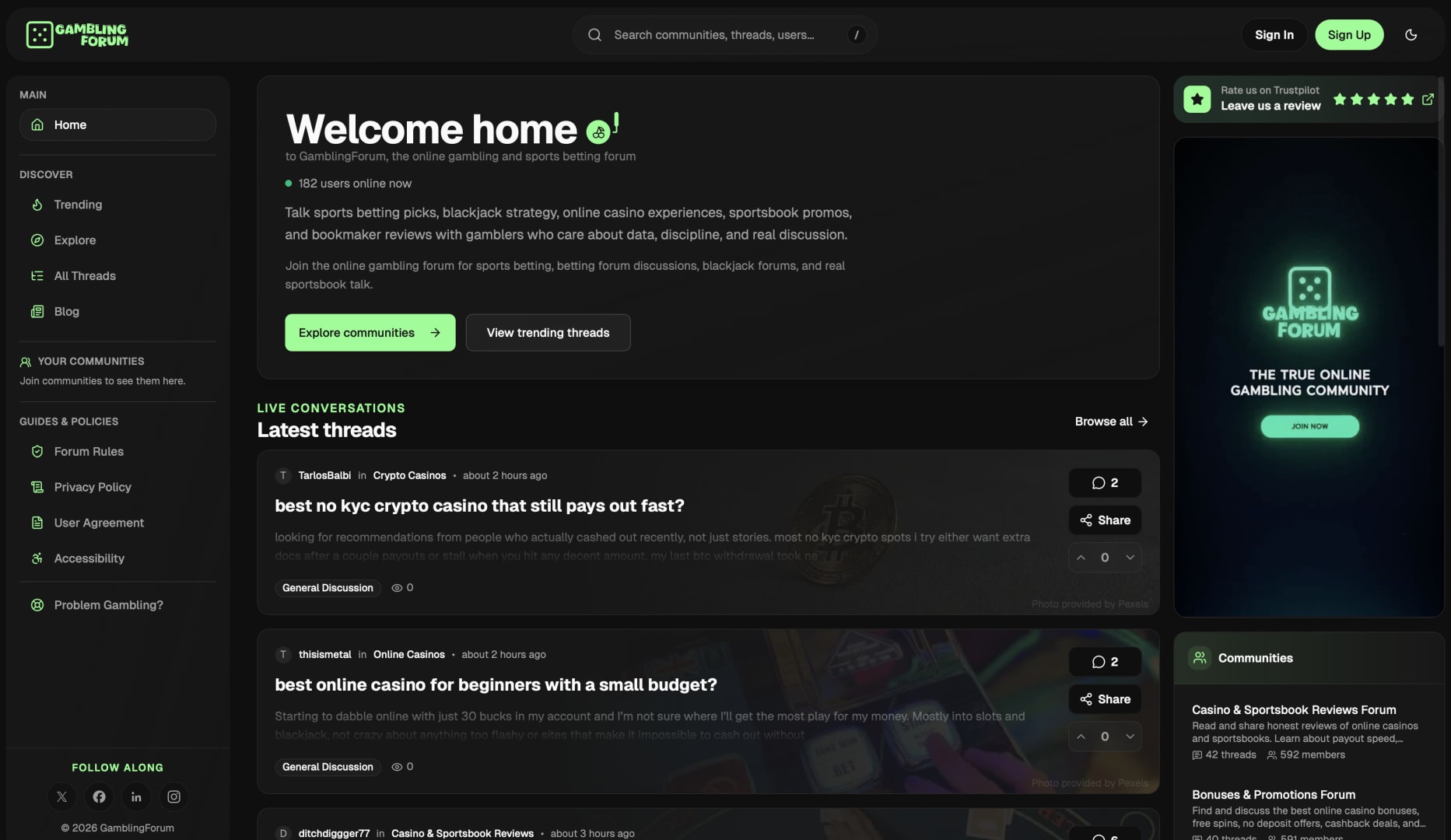
Comments
Loading comments…