When I first heard about Flutter, it sounded like the future of cross-platform development. One codebase, native performance, a beautiful widget system, and a growing ecosystem. As someone who had already built a few apps in React Native, I thought it might be worth stepping outside my comfort zone to see if I was missing out.
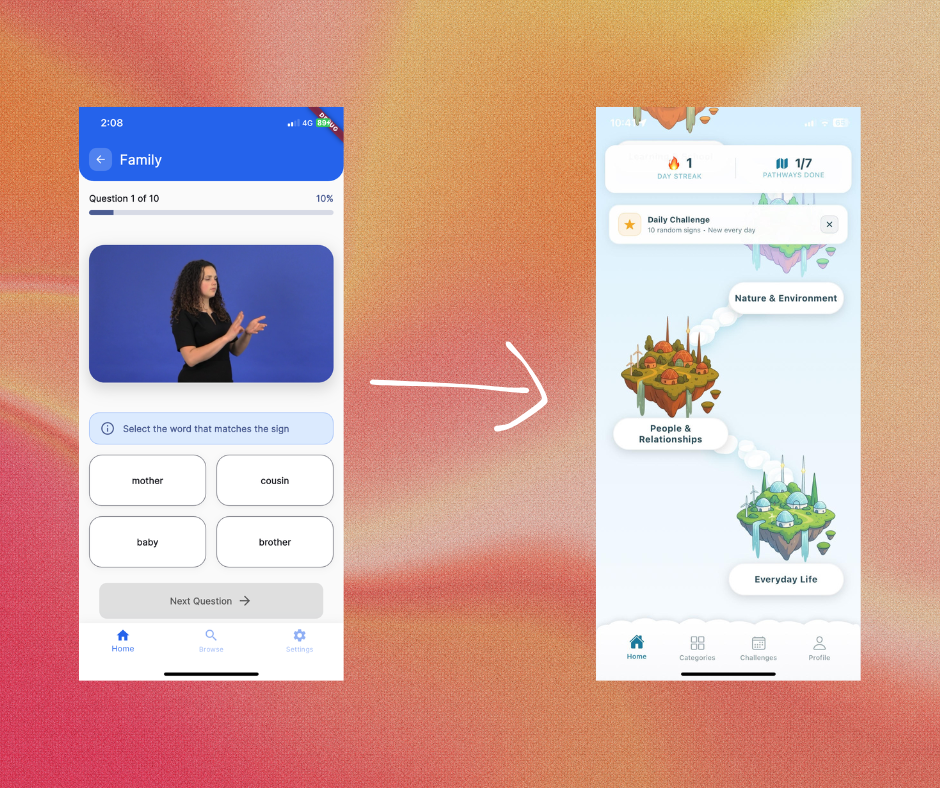
I gave Flutter a fair shot. I spun up a couple of side projects, followed tutorials, and even tried converting one of my existing React Native apps over. But after a few weeks, I found myself drifting back to the familiar world of JavaScript and React Native.
Here’s why.
The Learning Curve
Flutter uses Dart, a language I had never touched before. It’s not that Dart is bad, but my brain is wired for JavaScript. Years of React development meant I could read and write React Native code almost without thinking, while in Flutter I was constantly looking up syntax, Googling null-safety quirks, and mentally translating concepts I already understood in JS into Dart equivalents.
That friction slowed me down more than I expected.
UI Building Experience
I’ll give Flutter credit here: the UI rendering is beautiful and consistent across platforms. But I never really clicked with the widget-based UI tree. In React Native, JSX feels like home. I can visualize the structure, use conditional rendering, and sprinkle in logic without leaving the flow.
In Flutter, I felt like I was constantly digging through layers of nested widgets to figure out what was happening. It’s powerful, but I missed the directness of JSX and the way React encourages you to break things into clear, reusable components.
Ecosystem & Libraries
React Native’s ecosystem is huge, and most importantly for me, familiar. I already know the best navigation libraries, styling approaches, and how to integrate with APIs. Flutter’s ecosystem is growing fast, but I often ran into packages that were missing features, out of date, or required extra native configuration I wasn’t expecting.
With React Native, I could just reach for a library I’d used before and keep moving.
Hot Reload & Development Flow
Both frameworks advertise hot reload, but React Native’s setup with Expo feels frictionless to me. I can run npx expo start and be testing on my phone in seconds. In Flutter, I found the dev server to be fast but the project setup heavier.
It’s not a deal-breaker, but when I’m working on side projects in my spare time, speed to feedback matters.
Community & Support
React Native has a massive community, and because I’ve been part of it for years, I know where to look for answers. Flutter’s community is enthusiastic and growing, but I often found that when I hit a snag, the solutions were more scattered or required deeper Dart knowledge.
My Takeaway
Trying Flutter wasn’t a waste of time. It gave me a better understanding of how other frameworks solve cross-platform challenges, and I can see why a lot of developers love it, especially if they’re starting fresh without prior React experience.
But for me, React Native remains my go-to. My existing skills transfer directly, the ecosystem works in my favour, and I can move from idea to prototype faster. At the end of the day, the “best” framework is the one that gets you building, and for me, that’s still React Native.
If you’ve tried both Flutter and React Native, I’d love to hear your experience. Did you stick with the one you started with, or make the jump?
If you thought this was interesting also consider following me on X @Declandadev
Further Reading
Discover more articles on similar topics across our network


Comments
Loading comments…