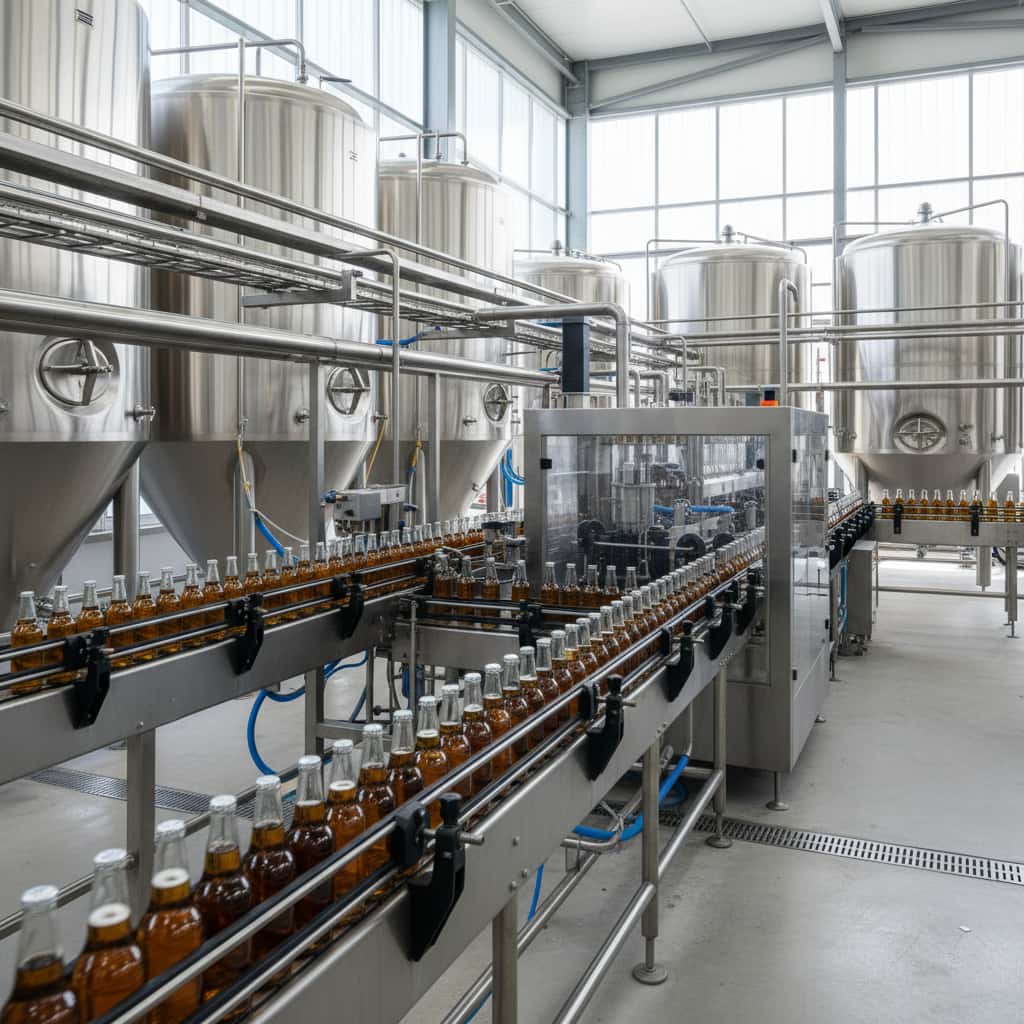
In the fast-paced world of industrial beverage production, efficiency and precision are paramount. The concept of complete filling lines has revolutionized the industry by offering a streamlined, integrated approach to the entire production process. From the initial stages of blow moulding to the final steps of palletising, these turnkey solutions ensure that every aspect of production is optimized for speed, quality, and cost-effectiveness. By consolidating all stages under a single supplier, companies can significantly reduce downtime, simplify maintenance, and enhance overall productivity. This article delves into the intricacies of complete filling lines, exploring their components, benefits, and applications across various industries such as water, beer, soft drinks, and edible oils.
Understanding Complete Turnkey Filling Lines
A complete turnkey filling line is an all-encompassing solution designed to handle every phase of the beverage production process. These systems are meticulously engineered to ensure seamless integration of each stage, from the creation of bottles to their final packaging. The primary advantage of a turnkey system is its ability to provide a cohesive and efficient workflow, minimizing the need for multiple vendors and reducing the complexity of coordinating different machines and processes.
The journey begins with blow moulding, where plastic preforms are transformed into bottles through a combination of heat and air pressure. This stage is crucial as it determines the shape and durability of the bottles, which must meet specific standards for the subsequent filling processes. Following blow moulding, the bottles undergo rinsing to ensure they are free from contaminants and ready for filling.
The filling stage is where the beverage is introduced into the bottles. This process must be precise to avoid spillage and ensure consistent product quality. After filling, the bottles are capped to preserve the beverage's freshness and prevent leakage. The next step involves labelling, where each bottle is marked with essential information such as brand, ingredients, and expiration date.
Once labelled, the bottles are packed into cartons or crates, ready for distribution. The final stage, palletising, involves stacking the packed products onto pallets for easy transportation and storage. By integrating all these stages, a complete filling line offers a streamlined production process that enhances efficiency and reduces operational costs.
Key Stages of a Complete Filling Line
The efficiency of a complete filling line lies in its ability to seamlessly integrate various stages of production. Each stage plays a critical role in ensuring the final product meets quality standards and is ready for market distribution.
Blow Moulding: This initial stage involves the creation of bottles from plastic preforms. The process uses heat and air pressure to shape the preforms into bottles, which are then cooled and prepared for the next stage. The precision of blow moulding is vital as it affects the bottle's integrity and compatibility with filling machines.
Rinsing: Before filling, bottles must be thoroughly rinsed to remove any dust or contaminants. This step ensures that the beverage remains pure and uncontaminated, maintaining its quality and safety for consumption.
Filling: The filling stage is where the beverage is dispensed into the bottles. Advanced filling machines are designed to handle various liquid viscosities and ensure accurate filling levels, minimizing waste and ensuring product consistency.
Capping: After filling, bottles are sealed with caps to prevent leakage and preserve the beverage's freshness. Capping machines are equipped to handle different cap types and sizes, ensuring a secure seal for each bottle.
Labelling: Labelling is a crucial step for branding and compliance. Each bottle is labelled with necessary information, including the brand name, ingredients, nutritional facts, and expiration date. This stage is essential for marketing and regulatory purposes.
Packing: Once labelled, bottles are packed into cartons or crates for distribution. Packing machines are designed to handle various packaging configurations, ensuring that products are securely packed for transportation.
Palletising: The final stage involves stacking the packed products onto pallets. Palletising machines automate this process, ensuring that products are efficiently organized for storage and shipping.
Benefits of Integrated Filling Lines Across Industries
The integration of all production stages under one supplier offers numerous advantages, particularly in reducing downtime and simplifying maintenance. By having a single point of contact for all machinery and processes, companies can streamline their operations and focus on maximizing productivity.
In the water industry, complete bottling lines ensure that the entire process — from blow moulding through filling to palletising — is hygienic and efficient, meeting the high standards required for potable water. Similarly, in the beer industry, these systems are designed to handle the unique requirements of carbonated beverages, ensuring that each bottle is filled and sealed to maintain carbonation and flavor.
For soft drinks, the versatility of complete filling lines allows for the handling of various bottle sizes and shapes, accommodating the diverse product offerings in this market. Precision is especially critical in liquid packaging, where advanced filling machines must handle different viscosities and carbonation levels while maintaining consistent fill volumes and minimizing product waste.
Beyond bottles, the beverage industry increasingly relies on canning machines to meet growing consumer demand for canned products — from craft beer and sparkling water to ready-to-drink cocktails. Modern canning solutions integrate seamlessly into complete production lines, offering the same level of automation and efficiency as their bottling counterparts.
By choosing a comprehensive solution from a single supplier, companies can reduce the complexity of their operations and focus on delivering high-quality products to their customers. The integration of all stages under one roof not only enhances efficiency but also simplifies maintenance, as there is a single point of contact for troubleshooting and support.
The advantages of complete filling lines are evident across various industries, from water and beer to soft drinks and edible oils. By investing in these turnkey solutions, companies can achieve greater operational efficiency, reduce costs, and ensure the consistent quality of their products.
Further Reading
Discover more articles on similar topics across our network
Comments
Loading comments…