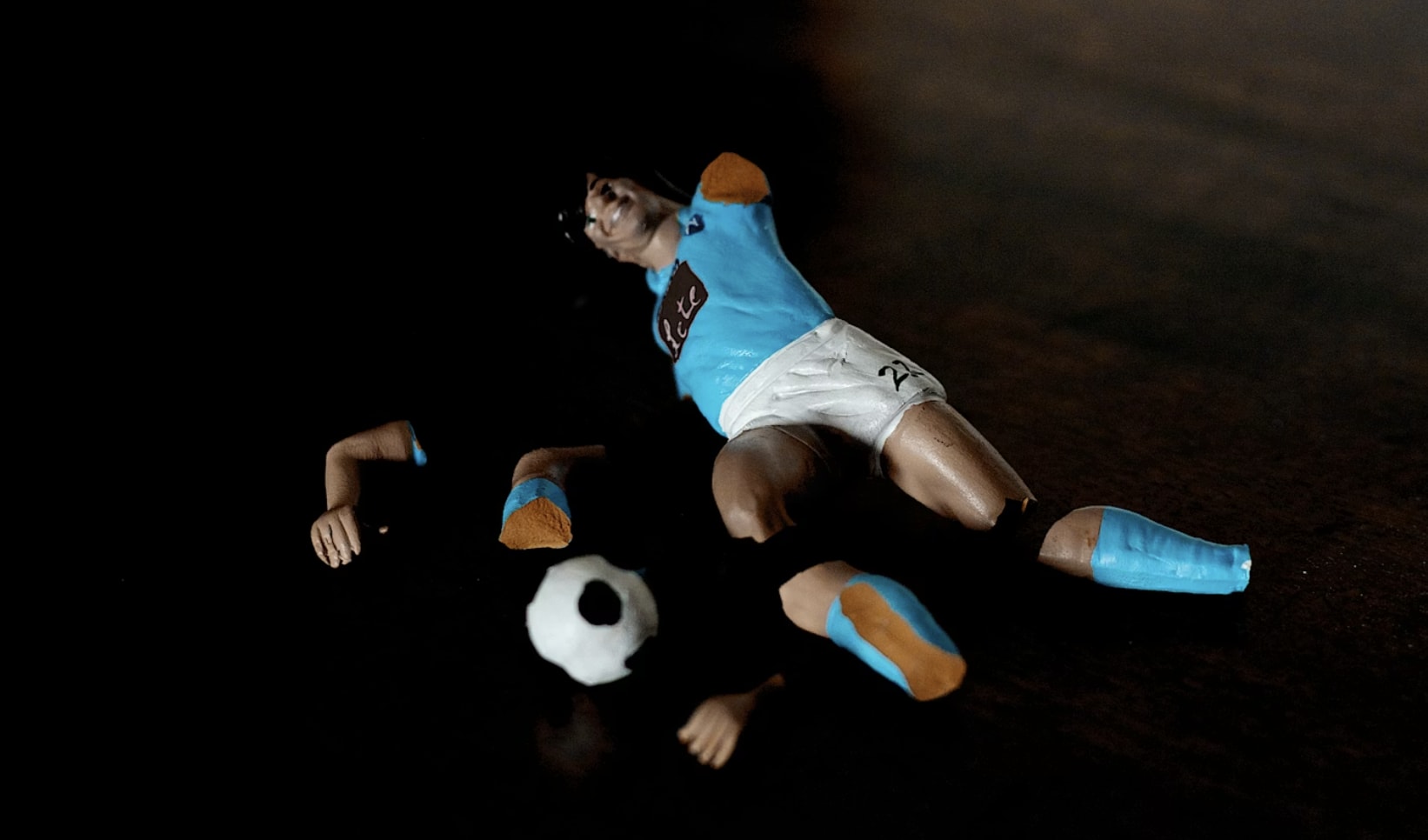
Personal branding in sports has shifted toward personality-led fandom. Fans no longer connect only with teams. Many now follow athletes directly across social platforms, engaging with their stories, humour, and identity as much as their performance. Digital animation has become a tool that helps athletes stand out in this crowded space.
How animation supports athlete-led identity
Athletes today are expected to produce constant content, not just during games but throughout daily life. Animation helps turn that stream into something structured and recognizable. It gives personality traits a visual form, making an athlete’s identity easier to spot in a fast-scrolling feed.
This shift aligns with building brand loyalty through animation where athletes are shown as characters within their own narrative. Instead of generic highlight reels, animation can frame key moments as stylized stories that reinforce personality. A goal, a win, or even a training session becomes part of a larger visual identity fans learn to associate with that athlete.
Personality first fandom and digital storytelling
Recent fan behaviour shows a move toward athlete-centric engagement. Younger audiences often follow individuals across multiple platforms, engaging with memes, short clips, and behind-the-scenes content rather than relying on team channels. This creates space for animation to act as a bridge between performance and personality.
Animated content can exaggerate traits in a controlled way. A footballer might be depicted with superhero-style movement during a key match moment, while a basketball player’s signature celebration can be turned into a repeatable animated sequence. These visuals reinforce identity and make content more shareable.
The key is consistency. When fans repeatedly see the same visual style linked to an athlete, it becomes part of how they recognize them online.
While animation offers creative freedom, consistency is often helpful. Brands often have a defined visual language, including colours, motion style, and tone. This ensures that every animated piece feels connected, even when the content changes.
Software and workflows behind animated branding
Creating this type of content relies on a mix of motion design and 3D tools. Adobe After Effects is commonly used for assembling highlights, adding motion graphics, and building stylized overlays that shape how an athlete is presented.
For more advanced visual storytelling, Blender is often used to build character-like representations, environments, or dynamic replays that feel more cinematic than traditional sports edits.
These tools are usually combined with asset libraries and templates so teams can produce content quickly around live moments. Speed matters because athlete-led content often competes directly with real-time fan commentary and social media reactions.
Cloud platforms like Adobe Creative Cloud help teams collaborate across locations, which is important when managing athletes who post frequently across different time zones and events.
Real time content and fan engagement
Real-time engines such as Unreal Engine are increasingly used for fast turnaround animations of key plays or signature moments. This allows teams to publish stylized content almost immediately after an event, keeping athletes visible while attention is still high.
Social platforms like TikTok and Instagram amplify this effect. Short animated clips, meme-style edits, and stylized highlights fit naturally into these feeds, where personality-driven content performs strongly.
Analytics tools help measure what fans respond to, from engagement spikes on specific animations to recurring character styles that gain traction. Over time, this feedback loop shapes how an athlete is visually represented.
Shaping loyalty through visual identity
Athlete branding is no longer just about performance metrics or endorsements. It is about building recognition through repeated, personality-driven content. Animation gives structure to that identity, turning moments into visual signatures that fans can instantly recognize.
As fandom continues to shift toward individuals over teams, animation becomes less of a creative add-on and more of a communication layer between athletes and their audiences.
Further Reading
Discover more articles on similar topics across our network


Comments
Loading comments…