
Recent discussions about reports that Russia bans Telegram have gained significant attention across the industry, though the full scope of restrictions remains uncertain. Given Telegram’s widespread use, any limitations could affect communication for users and businesses. Users and businesses may face disruptions in communication, including unstable connections and limited access. As concerns grow, many are beginning to explore alternative solutions, with a proxy for Telegram emerging as a potential option.
Telegram Usage and Regulatory Uncertainty in Russia
Telegram has long maintained a strong presence in Russia, serving as a key platform for messaging, community engagement, and information sharing. It is widely used not only for personal communication but also for business operations and media distribution.
In February, authorities signaled plans to strengthen restrictions on the platform, followed by announcements indicating that broader measures could be introduced in early April. As discussions continue, the current situation suggests that access limitations are already affecting users in several regions.
Against this backdrop, queries such as "Is Telegram banned in Russia?" have become increasingly common. Ongoing uncertainty surrounding Telegram in Russia continues to shape user expectations, raising concerns about the platform’s stability and long-term availability.
Access Challenges Amid Potential Blocking Measures
Discussions around Russia blocking Telegram highlight increasing access challenges in several regions. Reports from users indicate that access to Telegram has become increasingly unstable in certain regions. Messages may fail to send, while status updates remain stuck in a connecting state for extended periods. In some cases, delays in message delivery and synchronization issues have also been observed.
In addition, both mobile and desktop versions of Telegram have reportedly experienced performance issues, including lag and slow loading of large files. These disruptions are not limited to a single device type, suggesting broader network-level constraints.
At the same time, some users have noted that many VPN services are no longer consistently effective in bypassing these restrictions. As regulatory authorities enhance their ability to detect and manage VPN traffic, traditional methods for maintaining access may gradually become less reliable.
Proxy Solutions Gain Attention for Stable Telegram Access
Under these conditions, technical solutions are drawing more attention. Unpredictable access caused by Russia’s restrictions on Telegram has led users to consider proxy-based methods for logging in and maintaining connection stability.
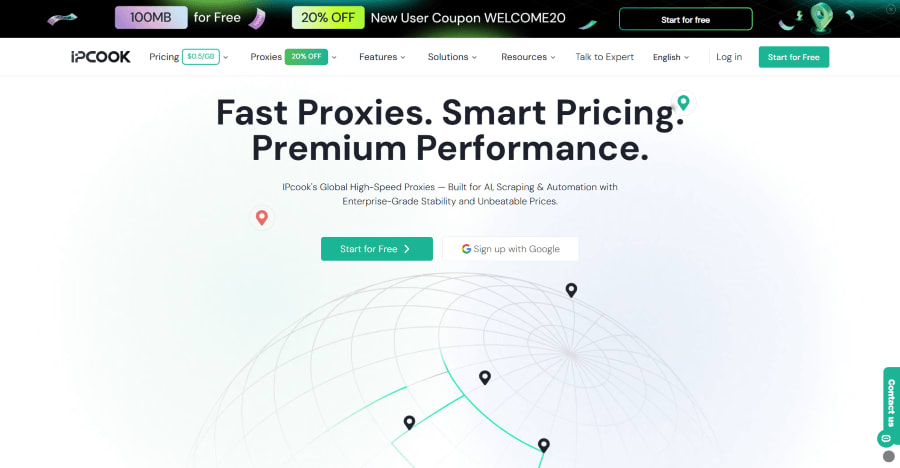
Among the available options, the SOCKS5 proxy for Telegram can be used to support access when direct connections are limited. Some professional service providers, such as IPcook, offer affordable proxies. It offers ISP proxy services designed to support connectivity under restricted network conditions. This service provides clean IP resources, which support stable connections under challenging network conditions.
This solution helps you and organizations reduce the risk of connection failures, maintain messaging continuity, and navigate potential disruptions caused by regulatory actions. By providing stable IP infrastructure, IPcook helps you maintain access and continuity in communication amid the potential Telegram restrictions in Russia.
Key advantages of IPcook:
- Affordable Access: Starts from $0.05/IP/day, cost-effective for bypassing Telegram blocks.
- Unlimited Bandwidth: No traffic limits, supports continuous Telegram messaging in restricted regions.
- Flexible IP Allocation: Assign 1 IP per Telegram account, reducing detection when Telegram is blocked.
- High Stability: 99.9% uptime, ensuring Telegram works reliably despite regional restrictions.
- Protocol Support: HTTP & SOCKS5, compatible with Telegram clients and automation.
Conclusion
Russia’s ban on Telegram serves as a reminder of the volatility within the global digital landscape. For businesses and individual users who rely on the platform for critical communication, waiting for a resolution is no longer a viable strategy. Transitioning to robust, proxy-based infrastructure offers a proactive way to ensure connectivity, maintain data privacy, and safeguard professional operations against regional network disruptions. As regulatory measures continue to evolve, staying informed and utilizing specialized tools like IPcook will be essential for navigating the future of digital communication in restricted environments.
Further Reading
Discover more articles on similar topics across our network
Comments
Loading comments…