
Dispatching software is vital in the logistics, transportation, emergency response, and healthcare field services. With the customer service expectation and operational complexity increasing, customizing software is essential, as off the shelves products are too limiting.
Building dispatching software comes with both technical and non technical challenges. Without a firm grasp on business processes, roles of the users, and the competition, there are a vast number of variables to consider. All of these impact defining essential features and choosing your product’s potential to adapt to new challenges.
Companies often rely on dispatch software development services to mitigate risk and speed up development cycles, especially in critical system environments. If the business and technical sides of the architecture are aligned, the system can be high performing, secure and scalable right from the start.
The goal of this piece is to create a dispatching software product from scratch. We will explore the different features, the ideal system architecture and the different stages of development. I will offer several metrics of competitiveness from the perspective of building an Internal Tool and a Commercial SaaS Tool.
What is Dispatching Software?
The Dispatching Software is a digital tool that helps manage and coordinate tasks, resources and people at any given moment. Dispatching software integrates the dispatchers, the drivers, the field workers and the clients into one central system that helps them perform and complete tasks, manage and optimize their tasks, track their status and communicate with one another.
The system also keeps track of, oversees and maintains control of the following services:
- Logistics and Freight Dispatching
- Taxi and Ride hailing services
- Last Mile Delivery
- Field Servicing (FSM)
- Healthcare and Emergency Dispatching
- Utilities and Maintenance
Deciding on the right dispatching tool also depends on the industry.
Why build bespoke dispatching software?
Although pre-built dispatch systems may offer a quicker deployment time, this attractiveness often shortsightedly ignores the deficiencies product vendors will realize as businesses begin to scale and require more sophisticated workflows. In terms of building software for dispatching the advantages that will be seen will be more apparent.
Tailored Business Logic
Customized software is ideal for adapting to dispatching rules for KPIs that are unique to different industries and individual organizations.
Scaling Up and Keeping It a Fit
A custom-built platform will improve flexibility for growth and handle larger volumes of orders, users, and real-time data without performance bottlenecks.
Winning Over Customers
In a crowded marketplace, custom features, smart automation, and ease of use can set a business apart.
Choose Your Own Integration Adventure
Custom dispatch systems offer unique flexibility in integrating with ERP, CRM, telematics, payment systems, and third-party APIs.
Must-Have Features for Dispatch Software
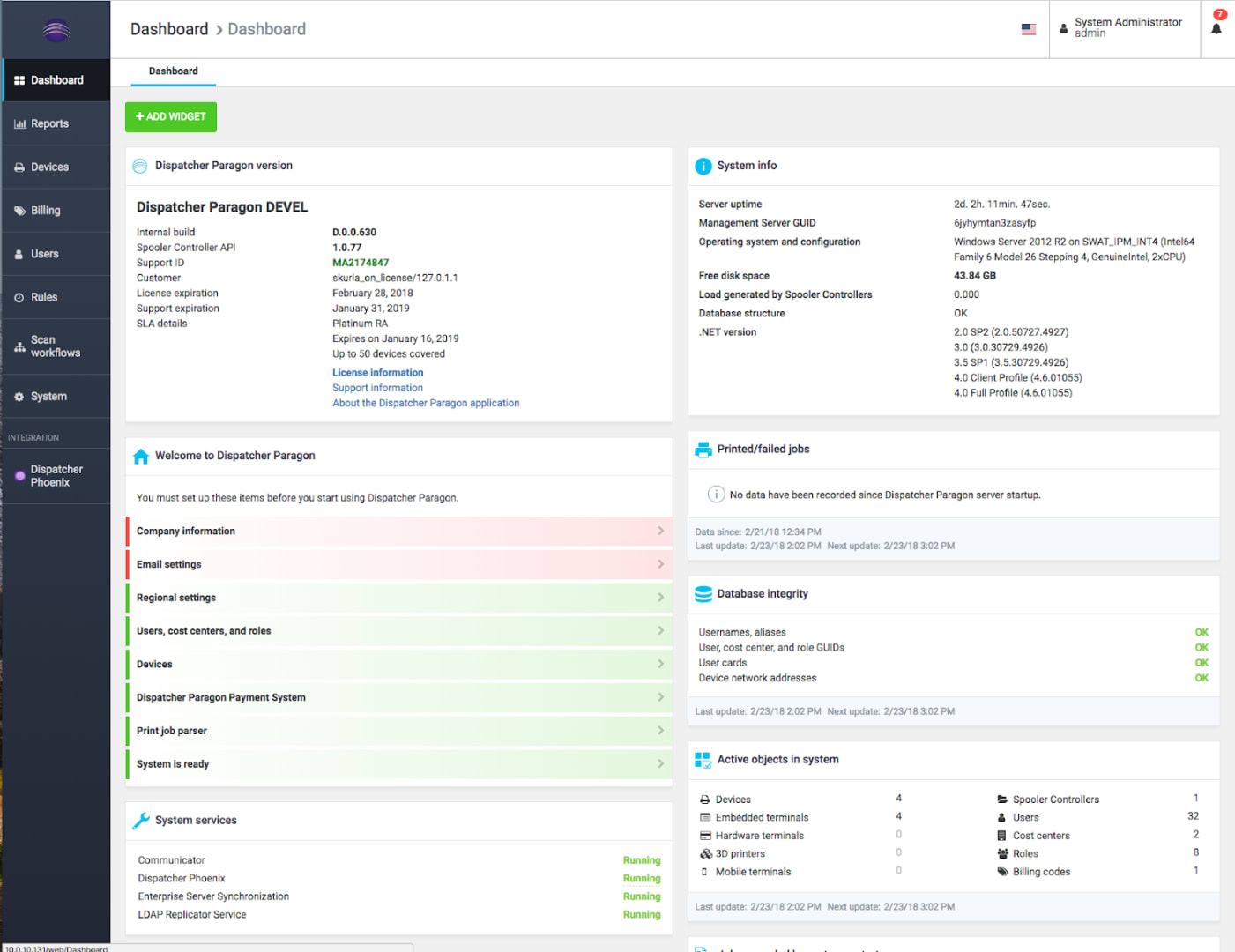
A truly effective dispatch solution should always balance operational efficiency with ease of use. Below are the core features most dispatching software products should have.
User Types and Their Access
Most dispatching platforms will accommodate multiple user types:
- Dispatchers
- Drivers/field workers
- Managers/admins
- Customers (in some cases)
With role-based access control (RBAC), users are presented only the data and actions pertinent to their role, improving security and ease of use.
Order and Task Management
This is the core of any dispatching system and includes:
- Task creation and assignment
- Prioritization and scheduling
- Status tracking (pending, assigned, in progress, completed, etc)
- Manual and automated reassignment
Efficient management of tasks directly influences the quality of service, and operational costs.
Real-time Monitoring and Mapping
In order to have effective dispatching software, real-time visibility in:
- the location of the vehicle or worker (this should use a GPS system)
- the status of the task
the prevailing traffic situation is essential. Image suggestion: Map interface with real-time vehicle tracking and task status indicators.
Services like Google Maps, OpenStreetMap, and Mapbox make it easy to include routing and visualization services.
Route optimization and scheduling
More sophisticated platforms in the dispatching arena depend on algorithms to:
- Calculate distance, traffic, and timeframes to optimize routing.
- Optimize delivery time and overall fuel consumption.
- Efficiently distribute workload to the available resources.
This feature is crucial in the transportation, delivery, and logistics sectors.
Communication and notifications
Integrated communication tools minimize gaps and improve coordination to reduce delays.
- In-app communication
- Push notifications and SMS alerts
- Automated updates on their status
Improved communication delays dispatchers and field workers to avoid misunderstandings.
Reports and analytics
When it comes to scaling operations, it is critical to make data-driven decisions. Dispatching software should include:
- Analytics dashboard
- Key performance indicators like on-time delivery, utilization, and response time
- Customized report and analytics for management
Integrations and APIs
Modern dispatch systems rarely function in isolation. Typical APIs integrations include:
- Accounting Apps
- Telematics and IoT systems
- Payment systems
- CRM and ERP
Carefully constructed APIs promote integration and adaptability for years to come.
Best Architectural Practices in Dispatching Software
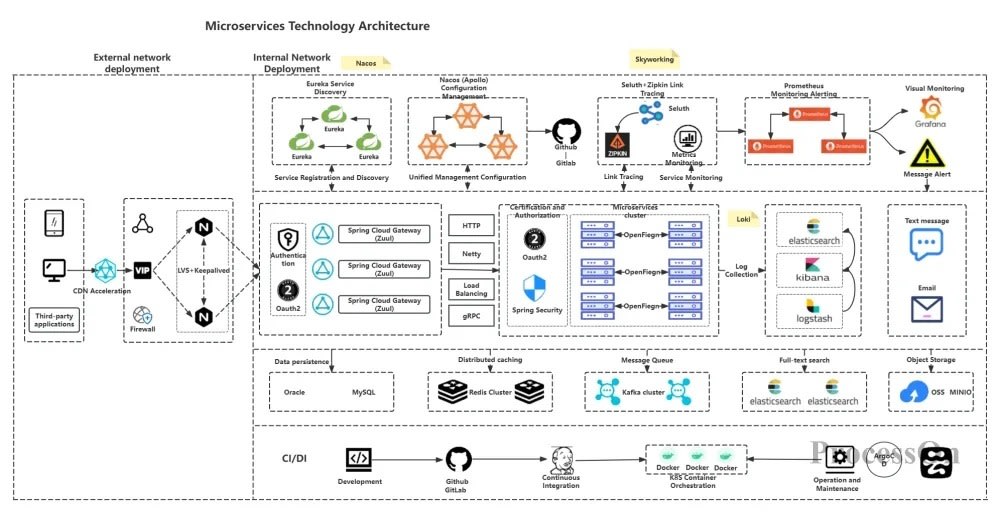
Choosing the right architecture is critical in determining performance, scalability, and maintainability.
Monolithic vs. Microservices Architecture:
Monolithic Architecture
- Quicker to construct initially
- More manageable for small groups
- Can become challenging to scale in the future
Microservices Architecture
- Self-contained, loosely connected services
- Improved scalability & fault isolation
- Optimal for large, growing dispatch platforms
Due to their ability to manage real-time data and high levels of concurrency, most modern dispatching software products utilize a microservices technique.
Cloud-Based Infrastructure
Cloud services like AWS, Azure, and Google Cloud provide:
- Auto-scaling
- Superior availability
- International distribution
Cloud infrastructure allows dispatching software to manage peak loads without interruptions.
Processing Data in Real-Time
Real-time systems are a key element of dispatching systems and the systems' technologies are heavily used for:
- Live updates via WebSockets
- Message brokers (RabbitMQ, Kafka)
- Event-driven architectures
System Architecture Image Suggestion:
Real-time data stream system architecture diagram between services.
Security and Compliance
Because dispatching software deals with sensitive information, including location, personal, and payment data, critical security practices include:
- Encryption of data (transit and resting)
- Secure authentication methods (JWT, OAuth)
- Compliance with data protection laws (HIPAA, GDPR, etc. if applicable)
Key Technical Components
| Component | Purpose |
|---|---|
| API Gateway | Manages communication between services |
| Database Layer | Stores orders, routes, and operational data |
| Authentication Module | Ensures secure user access |
| Analytics Engine | Provides insights and reporting |
| Notification Service | Sends alerts and updates |
Development Process: From Idea to Launch
Developing dispatching software is a step-by-step cycle that includes agile development methodologies, which is to build the software in stages.
Step 1: Discovery and requirements analysis
- Determine target users and workflows
- Establish primary and secondary functions and the scope of the Minimum Viable Product (MVP)
- Examine competitors and identify market gaps
Step 2: UX/UI design
- Create user-friendly dispatcher dashboards
- Improve mobile user experience (UX) for field workers
- Evaluate usability with actual users
Step 3: Minimum Viable Product (MVP) development
- Develop core functions first
- Emphasize stability and performance
- Test hypotheses with early adopters
Step 4: Testing and quality assurance
- Functional and integration testing
- Load and stress testing
- Security testing
Step 5: Deployment and iteration
- Gradual rollout
- Ongoing monitoring
- Based on user feedback, expand features
Market differentiation: standing out
With numerous dispatching solutions available, distinguishing features are highly valued.
Customization for specific industries
Instead of providing a one-size-fits-all approach, focus on customizing features and workflows for particular industries.
Intelligent automation
Leverage artificial intelligence (AI) and machine learning for:
- Predictive dispatching
- Demand forecasting
- Automated decision-making
- Exceptional user experience
A clean and simple interface can create a competitive advantage, especially considering the time constraints and high stress for dispatchers and drivers.
Reliability and scalability
Reliability and performance should be fundamental selling points, especially considering that dispatch systems cannot tolerate downtime.
Expert Insight from Mind Studios
Industry Knowledge is the backbone of any successful dispatching platform. According to Co-Founder/CEO at Mind Studios, Dmitry Dobrytskiy:
“Dispatching software is not just assigning tasks—it is establishing a real-time operational nervous system for an organization. The most successful products are the ones that intelligently automate and robustly architect transactional processes to deeply understand user workflows.”
Choosing the Right Development Partner
Due to the critical and intricate nature of dispatching systems, many firms opt to collaborate with experienced development partners. A skilled partner offers:
- Domain knowledge
- Established architectural frameworks
- Quicker time to market
- Lowered technical risk
Companies that focus on dispatch software development services are able to assist firms from the stages of ideation to development, deployment, and ongoing support.
Final Thoughts
Creating dispatching software is a tactical move that will positively change operational efficiency, customer retention, and competitive standing. Success relies on the features, architecture, security, and differentiation that is not just coding.
By being printable to real-world workflows, taking advantage of new cloud and real-time technologies, and collaborating with skilled development partners, firms will be able to meet the present dispatching platform requirements, and prepare for future demands.
To meet the future needs of the industry, customer focused services will be built upon the foundation of dispatching software focused on efficiency, scalability, and demand-based services.
Comments
Loading comments…