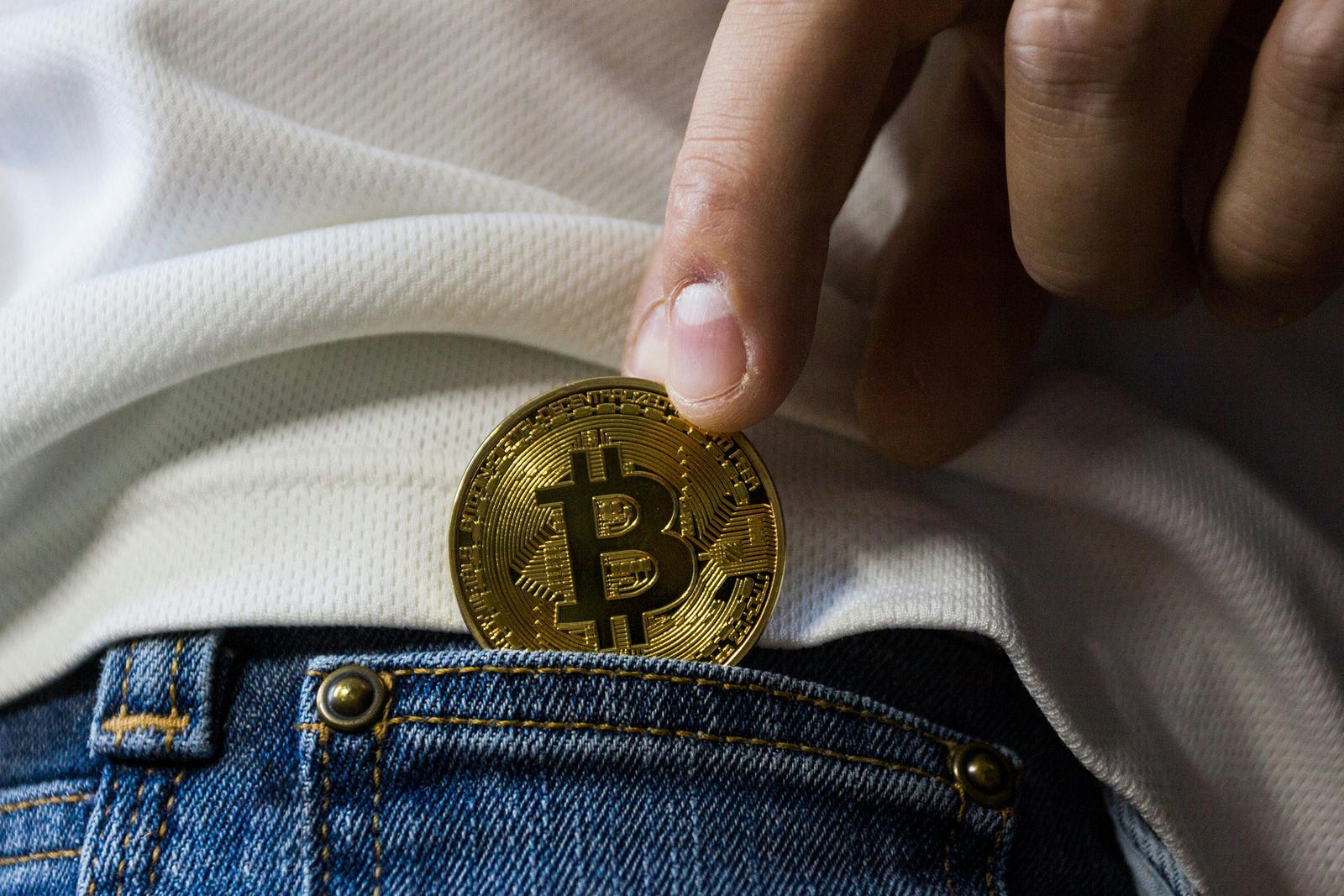
Most people don’t enter the world of investing through the front door. They wander in through a side entrance, usually after hearing a friend swear they “made a killing” or after seeing a headline that doesn’t make sense without a second cup of coffee. Bitcoin often becomes that side door. It looks accessible, it feels modern, and it doesn’t demand that you already speak the language of finance. For a lot of first-timers, that’s enough to give it a try.
The second reason is far simpler: it moves. A traditional asset might climb or fall gradually over months. Bitcoin can do in a day what some assets do in a year. That volatility catches the eye, especially when the news runs another story about the Bitcoin price rising faster than most people’s holiday stress levels. You don’t need to know how yield curves work to recognise when something is moving quickly.
The First Step Is Different When the Door Is Wide Open
Traditional investing asks you to pick from menus you expect to see in a meeting room: equity, fixed income, index funds, whatever your co-worker pretends to understand. Bitcoin isn’t dressed like that. It’s online, it’s simple to buy in small pieces, and it doesn’t insist on a minimum balance that makes your bank account sweat.
That accessibility is one reason younger investors reach for it first. A study published in Finance Research Letters found that intrinsic motivation — curiosity, experimentation, wanting to understand new tech — is strongly associated with crypto adoption among inexperienced investors. When the barrier to entry is low, people don’t wait for a financial adviser to bless their decisions.
As Binance CEO Richard Teng said, widespread adoption often begins with “a single domino.” His point was was observational. As more large institutions acknowledge crypto as a legitimate asset, first-timers see Bitcoin as a valid first step.
Speed, Emotion and the Allure of a Fast Chart
A study across Nordic countries found that higher general trust — even extending to strangers in financial environments — correlates with crypto participation. In plain English: people who are open to new systems are more likely to go near Bitcoin first.
And they get something traditional assets don’t offer: immediate feedback. You can check your position at breakfast, lunch and dinner, and it will change every time. That feeling matters. It gives first-timers a sense of involvement. They don’t feel like they bought an index that quietly goes about its business. They feel like they joined something alive.
This also sets them up for mistakes. A 2022 survey showed that new crypto investors are significantly more likely than stock first-timers to sell within a year, often within months. Long-term investing discipline takes time to develop. Bitcoin is a baptism by fire.
What Bitcoin Represents to First-Timers
For some, Bitcoin offers a sense of autonomy. They don’t need a broker or an institution to tell them what they’re allowed to own. It also appeals to those frustrated with traditional systems — not in a conspiratorial way, but in a practical one. A 2022 study showed that even environmentally focused investors sometimes choose cryptocurrencies because they view them as independent from legacy finance.
And then there’s the narrative advantage. Bitcoin has a story. It has halving cycles, historical booms, infamous crashes and a cultural presence that makes people feel like they already half-understand it. Meanwhile, most traditional assets don’t have a storyline unless you’re really into bond spreads.
The Risks First-Time Investors Often Miss
Volatility makes for entertaining charts but rough learning curves. A detailed empirical review found that Bitcoin’s volatility remains substantially higher than traditional assets, even when adjusted for risk. First-timers who enter expecting quick wins might discover rapid losses instead.
Another challenge: misinformation. A 2025 report showed social media users are significantly more likely to invest in crypto — but also more likely to overestimate their financial knowledge. When someone’s first taste of investing comes from short-form videos, the odds of confusion go up.
So How Should First-Timers Actually Think About Bitcoin?
Some practical, grounded advice for anyone treating Bitcoin as their starting point:
- Put only a manageable amount into Bitcoin until you understand how it behaves.
- Keep emergency funds completely separate.
- Avoid checking prices obsessively; it encourages impulsive decisions.
- Build a broader portfolio before leaning too hard on one asset.
- Read actual research — not influencer summaries of research.
None of this requires you to swear loyalty to any financial philosophy. It just gives you enough structure to avoid panic during swings.
A Gradual Shift in Attitudes
As Bitcoin earns more recognition, it stops feeling like an outsider asset. This is crucial for first-timers. When something sits on the edge of finance, newcomers treat it as a short-term experiment. When it moves toward the centre, they treat it like a legitimate long-term component. Binance co-founder Yi He phrased it simply: “Crypto isn’t just the future of finance. It’s already reshaping the system.” Not overnight. Incrementally, the way most big shifts happen.
That shift in perception filters down to new investors. If they believe Bitcoin has staying power, their approach becomes calmer, more structured and far less impulsive. First-time investors treat Bitcoin differently because Bitcoin behaves differently. It moves fast. It feels accessible. It sits at the intersection of tech culture and finance. It offers an emotional high that index funds never will. It means newcomers need a steadier head than they expect.
Frequently Asked Questions
Common questions about this topic
Comments
Loading comments…