
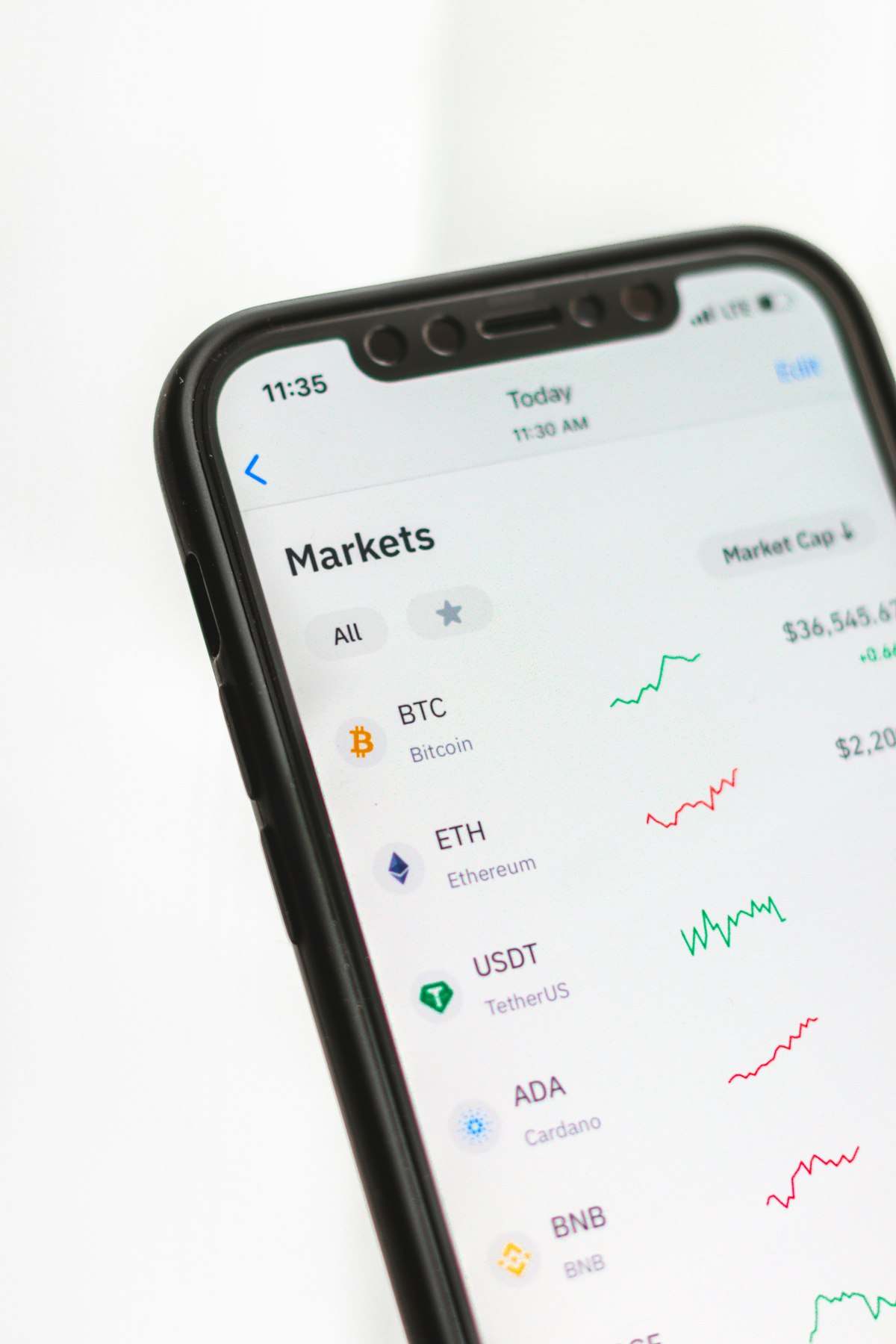
A cryptocurrency app can look very simple to the person using it. Most people open the app, check a price and move on. They might glance at a portfolio, compare one cryptocurrency with another or see whether an asset has gained or lost value.
The work behind that number is easy to miss.
Before anything appears on the screen, the application has already requested market information, processed it and organised it into something people can understand.
For developers, that is one of the biggest parts of building a cryptocurrency application. A clean interface matters, but so does the quality of the information sitting behind it.
Think about a simple market tracker. If it displays a trading pair such as doge / usd, the numbers cannot stay the same for long because the market rarely does. Fresh prices are important if the app is going to reflect what is actually happening. Many people also follow the market through platforms including Binance, where they can trade cryptocurrencies and keep track of different assets.
As more cryptocurrency tools appear, developers continue finding different ways to use market information. Some applications focus on price tracking. Others are designed around portfolios, education or analysing market activity.
Finding more information is rarely the problem. Working out what should actually be shown is.
In many situations, the real challenge is understanding why someone has opened the application in the first place. A person checking a price during the day is often looking for something different from someone spending time researching the market or comparing several digital assets.
Working with large amounts of cryptocurrency data
Financial applications have always relied on accurate information. A banking app needs the correct balance. A payment service depends on reliable transaction details. Trading platforms need current market prices.
Cryptocurrency applications work in much the same way, although the amount of information involved is much larger. Developers can access thousands of digital assets, years of historical records and markets that change throughout the day.
Not every piece of that information belongs on the screen.
Someone opening a simple price tracker may only want today's value of an asset. A portfolio app is different because the user is usually trying to understand how their investments have changed over time. Someone researching the market may be looking for historical patterns instead.
The purpose of the application changes what information becomes useful.
A basic tracking tool and a detailed market analysis platform might use similar data. The experience they create can be completely different.
How APIs help cryptocurrency applications
Most developers do not build a complete market data system themselves. Instead, applications usually connect to external services through APIs.
An API allows different systems to exchange information automatically. One application requests data from another service, receives a response and uses that information inside its own features.
The information being requested could be live prices, recent trading activity or older market records. Exactly what is needed depends on the type of application being built.
Because much of that work is already handled elsewhere, developers can focus on improving the experience inside the app rather than spending months building systems to collect every update themselves.
It also gives teams more freedom to test ideas, change features or redesign parts of the application without rebuilding everything underneath.
Access to data is only the beginning, though.
Raw information is not automatically useful.
A screen filled with numbers may contain everything a user could need, but that does not mean they will understand what they are seeing.
Useful applications decide which information deserves attention first. Important changes stand out. Less relevant information stays in the background.
Making cryptocurrency information easier to understand
Cryptocurrency can already feel complicated for people who are new to it.
There are unfamiliar terms, changing prices and a constant flow of new information. Without some structure, even accurate data can become difficult to follow.
Not everyone opens a cryptocurrency app with the same goal. One person might only want to check today's price before closing the app again. Another could spend half an hour looking through charts and comparing market trends. The information is similar, but the way those users interact with it is very different.
Market data is becoming useful in more places as blockchain technology develops.
The global blockchain market is valued at roughly $72.45 billion and is expected to grow beyond $145 billion by 2030, reflecting continued investment in blockchain-based solutions.
Cryptocurrency is still the best-known example, although developers are also exploring blockchain in finance, gaming, logistics and supply chain management.
As more organisations explore blockchain projects, there is likely to be greater demand for applications that can present complex information in a way that feels clear and practical. That creates more opportunities for developers building tools for different types of users, from complete beginners to experienced traders.
None of this removes the practical challenges. Financial information still needs to be accurate, systems still need to be secure and users still expect applications to work reliably.
Good market data is only one part of the process. How that information is organised, explained and presented often has a much bigger effect on the overall experience.
When developers make complex information easier to understand, cryptocurrency applications become easier for people to use as well.
Further Reading
Discover more articles on similar topics across our network

Comments
Loading comments…