Web Development in Plain English
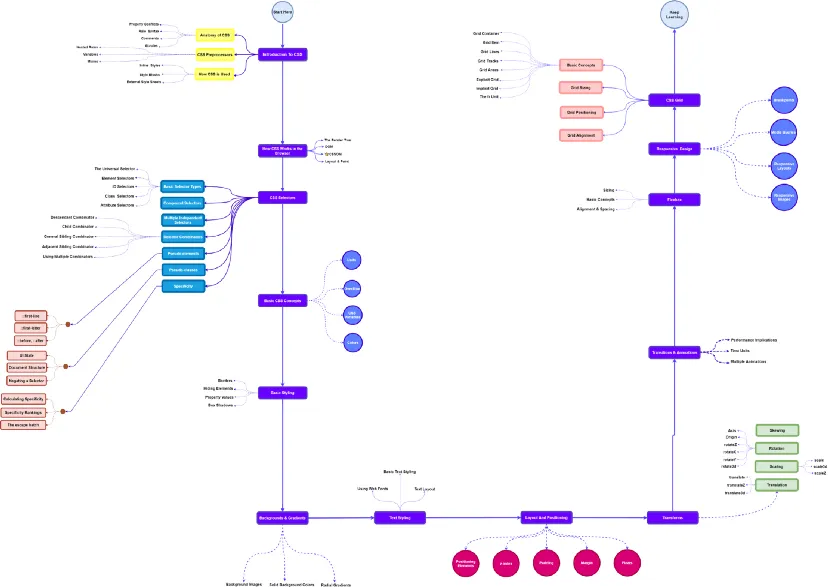
Web development spans frontend, backend, and everything in between. This hub collects tutorials on building modern web applications, from fundamentals like HTML, CSS, and JavaScript to frameworks, APIs, and production deployment.
124 articles · Updated August 17, 2026
The web platform is more capable than ever — learn what the browser can do natively before reaching for a library.
Related topics
Featured articles
Hand-picked and latest articles from this topic.


Getting started
Beginner-friendly guides to help you learn the fundamentals.
From Explain
Plain-English explainers for core concepts related to this topic.
What is a Cookie?
A cookie is a small piece of data a website stores in your browser to remember information across requests, like login sessions.
Read guideWhat is the DOM?
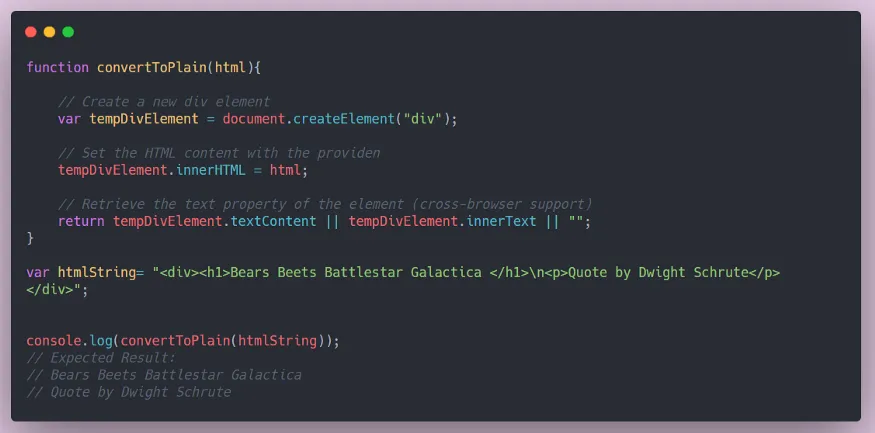
The DOM is a live, tree-shaped representation of a web page that JavaScript can read and modify to change what users see.
Read guideWhat is Server-Side Rendering (SSR)?
Server-side rendering generates a page's HTML on the server for each request, improving initial load speed and SEO.
Read guideWhat is a JWT?
A JWT is a compact, signed token that securely carries claims between parties, commonly used for authentication and authorization.
Read guideWhat is OAuth?
OAuth is an open standard that lets apps access resources on your behalf without ever seeing your password.
Read guideWhat is a CDN?
A CDN is a network of geographically distributed servers that cache and deliver content close to users for faster, more reliable loading.
Read guideFrom Basics
Quick-reference cheatsheets for tools and libraries in this space.
External resources
Curated tools, docs, and communities worth bookmarking.
Frequently asked questions
Quick answers about this topic hub.
What should I learn to become a web developer?▾
Start with HTML, CSS, and JavaScript — the foundation of everything on the web. Then branch into a frontend framework, backend basics, databases, and deployment. Build projects at every step to make it stick.
What's the difference between frontend and backend?▾
Frontend is everything users see and interact with in the browser. Backend is the server-side logic, databases, and APIs that power it. Full-stack developers work across both.
Do I need a computer science degree for web development?▾
No. Many successful web developers are self-taught or came through bootcamps. A strong portfolio of real projects and solid fundamentals matter far more than a specific credential.